Skip to content


An Afternoon with Ken Sleight (from the Zephyr archives) —Jim Stiles

AN AFTERNOON WITH KEN SLEIGHT  (From the June/July 2010 issue)

It’s almost looking like Spring at Pack Creek Ranch. The lawns are greening up. The horses are looking like they’re feeling their oats after a long hard winter. Splashes of color—flowers! Dot the landscape. But where’s Sleight? I check the house but he’s not where he said he would be. Sleight on the move. I wander the grounds for few minutes, hoping to catch a glimpse of him wrestling with an irrigation sprinkler. No sign of him.
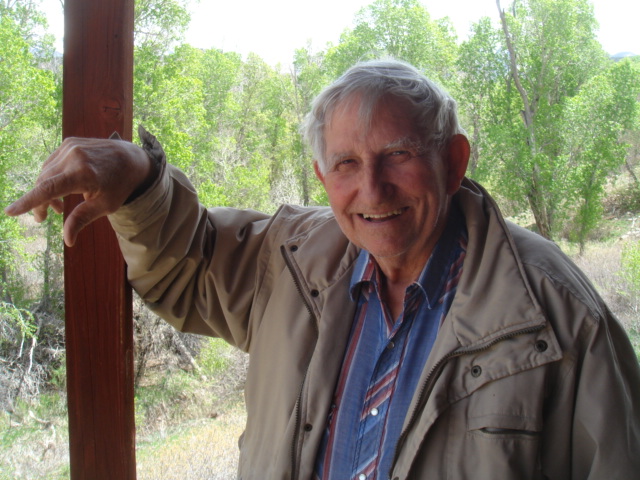
Finally I get back in the car and drive up the road to the incongruous sight of a steel Quonset hut set back in the trees. I see his truck, then I hear “Seldom Seen,” even with my windows rolled up.
“Goddamn computer!”

I know how he feels.

There’s my old friend of almost 35 years. He had been hunched over his desktop, frozen by frustration. But now, he unwinds his legs, props them across the desk and leans back in his ragged chair. Ken cups his hands behind his head and grins, “Stiles! How the hell are you?”

I met Ken Sleight at the Arches National Park visitor center almost 35 years ago. In the intervening years, I don’t think he has ever failed to greet me in just that way. And incredibly, always with a hint of enthusiasm.

“How you doing Ken?”

“I’ve been sitting at this damn computer. I don’t like all this computer shit but I have to learn how to do it. I don’t really want to learn how to do ‘new stuff’ anymore. They tell you there’s all this new stuff that a computer or whatever will do. But then you get it and you have to learn HOW to use it! I’m sick of updates! And the damn computer is always freezing up and I have to turn the whole damn thing off. You either have to be a computer whiz or have somebody around who is.  And then have the money to pay them. And then you’re broke so what’s the point?”

Ken isn’t too pleased with the state of the world these days. Ken spent most of his life running rivers and leading pack trips. He never hesitates to note that he was a small businessman. It’s BIG business that gives him heartburn that leads to heartache. He liked being ‘small.’

“I used to think I could do it all myself. Even when I was running the river, I wanted to do it all myself. I never liked to spend a lot of money and if it all got too big, then I wasn’t really in a business that I wanted to be in. I didn’t like to send out pack trips or river trips when I couldn’t go myself. What’s the point if I can’t go? So I kept it real low level…I’d hire an assistant or two but that’s about it. If you’re a small outfit, you get to be the creator. It’s like The Zephyr. If there was anybody to blame it was you!

Ken did it all back then. He was the marketing man. He put together hand-made brochures that he printed on an old mimeograph machine. He did the folding and stuffing, he licked the stamps. On trips, he drove the truck, led the horses, cooked the meals. Ken didn’t really want any “assistance” when he cooked. The more his customers tried to “help” the less likely they were to eat. Ken used to take a stick and draw a circle around him as he prepared the meals.

“This is my kitchen!” he hollered, pointing out the crude circle to his customers. “Don’t dare step inside it!”
Pack trips were no more complicated than that—stay outside Ken’s circle!
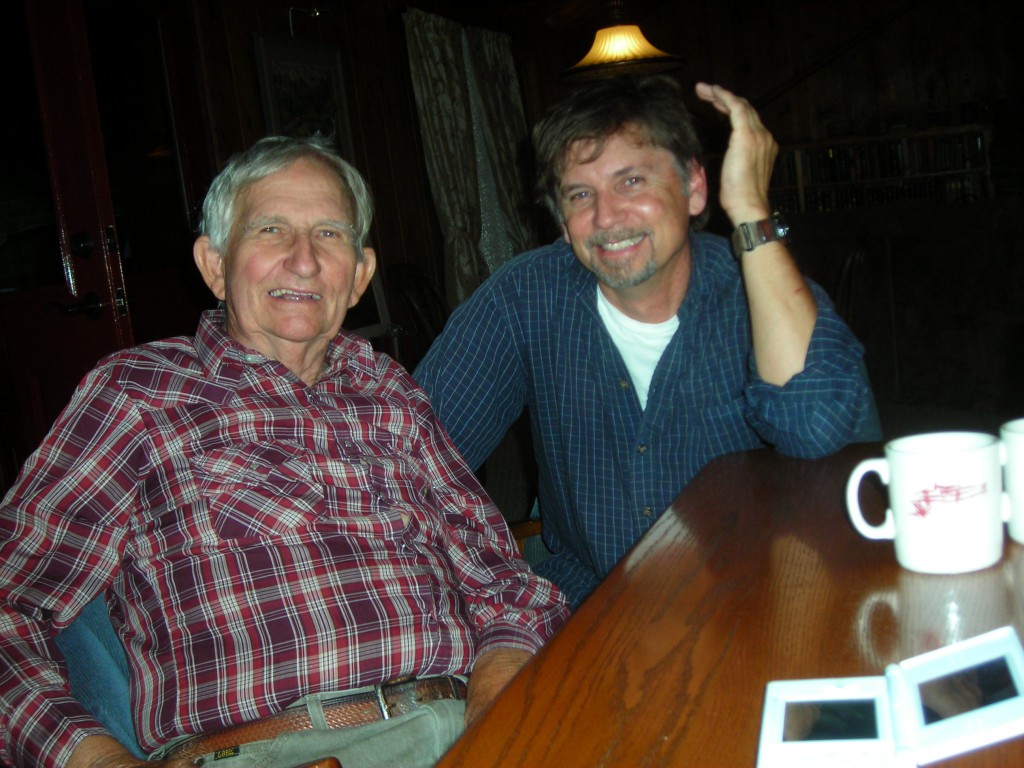

“The biggest problem in the world today is that everything is so complicated. You have to go through so many things. There’s just too many damn people and as a result, you have to be so organized it takes the fun out of living. Abbey and I used to talk about where we’d go once this place is totally ruined. We’d just close our eyes to the changes and figured we’d go where we want. We talked about going to the Yukon once. Just keep moving. Keep moving.

“But really I don’t know that that’s the answer. I have Jane and my family and I couldn’t just drag everybody along. But just me talking?  I wouldn’t be here.

“But I am here and I like it. I’ll stick it out to the end, whether there are parts of it I don’t like or not. We can still…maybe…protect some of it…eliminate some of the stuff we’ve screwed up. Maybe restore some of it. I always felt we could restore Glen Canyon.  The older I get, the less I feel we have much impact. It bothers me to no end to know you can fight like hell, we can organize little groups of activists, you put all your heart and soul into that, then here comes other mainstream groups who can overrule you.”

In the late 1990s Ken Sleight and others tried to organize a “Glen Canyon Group” of the Sierra Club. Its sole purpose was to advocate the decommissioning of Glen Canyon Dam, a subject dear to Ken’s heart. But Sierra Clubbers from the Utah Chapter hierarchy took issue with the groups’s goal, even though the national organization had passed a resolution in support of decommissioning. Ultimately Sleight was drummed out of the group. It was the last time he would actively involve himself in a “mainstream” environmental organization. Here’s Ken…

“That Sierra Club deal really taught me a lot. One of the basic goals was to restore Glen Canyon. Our little group fought like hell to get established. But here comes the powers-that-be from Salt Lake that opposed our group. Then the national people say, ‘Let’s do it another way.’ The group pulled away from serious Glen Canyon restoration…they thought going after restoration looked silly.
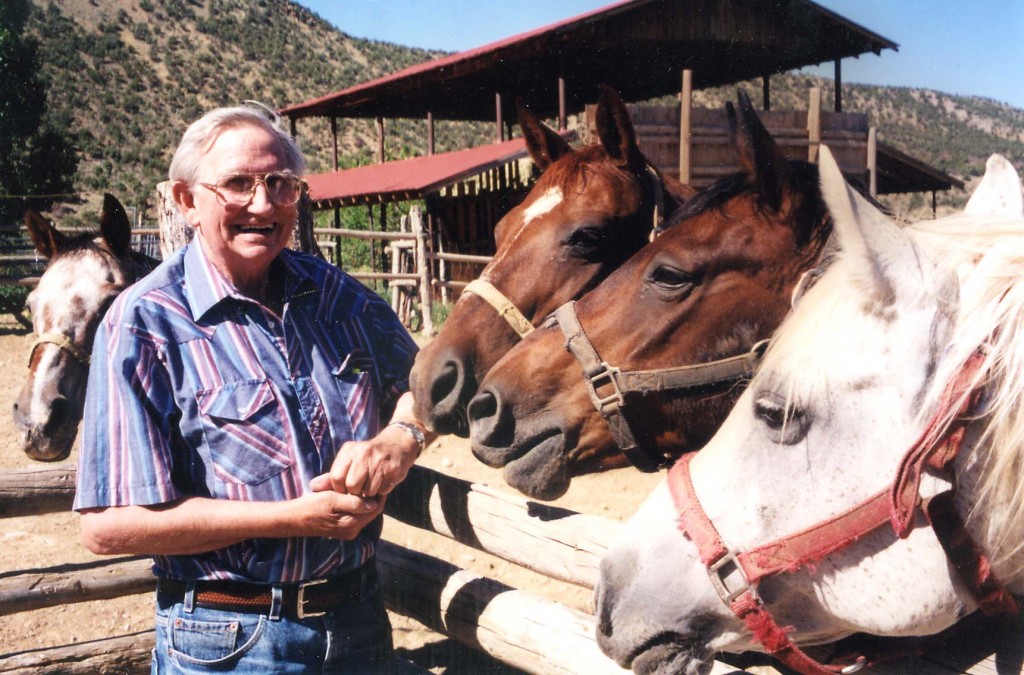
“Nowadays, there’s no major project. They do clean ups and things. They did a fine job on moving the tailings at Atlas, but I don’t see the green fighters in it that there used to be. It’s a feel-good deal, the Sierra Club.

“What the large environmental groups don’t want to get into is that they load their boards of directors with people with lots of money and those people with lots of money seem different than we are. Some of them are doing good jobs…not letting their interests get in the way.  But others…how in the world can they NOT let their interests get in the way? So as a result, some of these groups, like the Grand Canyon Trust..SUWA…I think they pull their punches. They won’t take on some issues. White Mesa. Nuclear waste. Glen Canyon… Anyway I think it is legitimate to question the big money on these boards.

“I’ve thought a lot about this. After they got all their money in the first place, whether it’s by oil or gas or uranium or plastics, they’ve created these monsters. Then they come back and want to donate. Are they trying to make amends? How are they making amends? If these big outfits and people want to make amends, then REALLY make amends. From a standpoint of conscience, if they say, ‘I want to do everything I can to atone for my past sins,’ then okay. But most of it is, ‘I give so much to charity,’ and it makes them look great. But if they are really repentant, they ought to get their shovels and go right to work.”

More than anything, Ken worries about too many people. When Sleight was running tourists down Glen Canyon in the 1950s, he never dreamed the recreation industry would become what it is today. And if it’s this bad now, what will it be like in another 20 years?

“They keep trying to bring more people here. That spells doom for wilderness. More people. More people. How many times have we talked about that? More parking lots. More of everything. We keep building and building. Down at Zion they’re about to build a bigger tunnel for the east entrance road. ‘Improving’ it! Adapting to handle ever increased numbers, all for the comfort of the people. Now everybody associates that with preservation. We’ve got to ‘improve’ it so we can get more people in. And that’s what even Obama is saying. I’m an Obama fan in a lot of ways but not this. And look at the offshore drilling now! It’s too much compromise. And nobody is talking about reducing the number of people.

And what about wilderness?  It is the biggest environmental battle in Utah and has been for 20 years. Why do we save wilderness? Ken has some opinions…
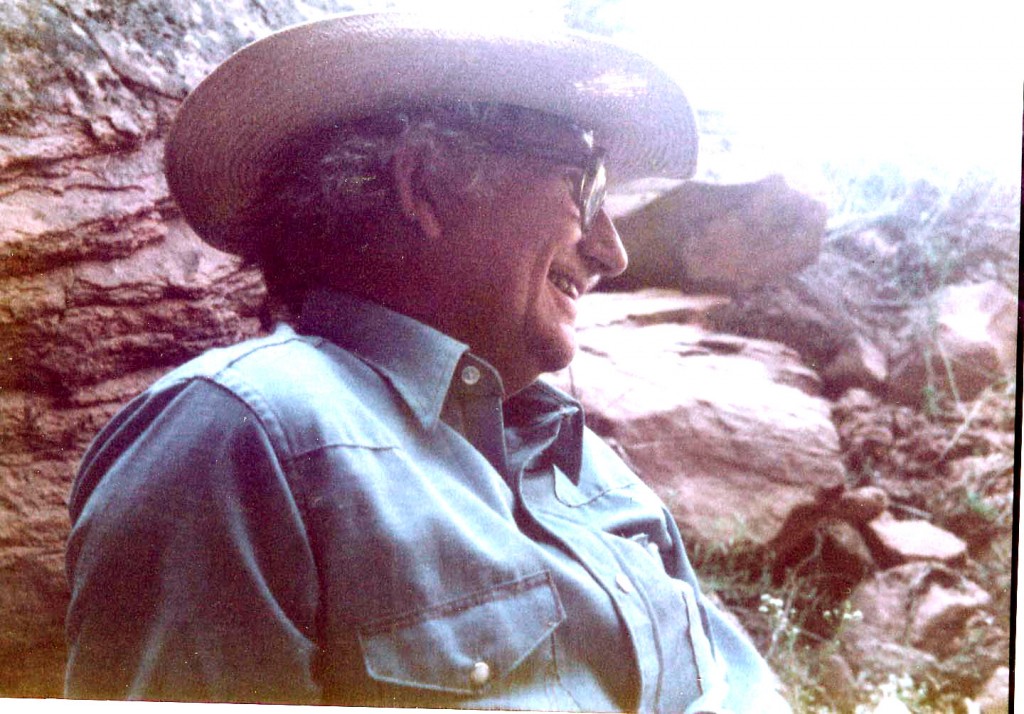
“Now its how can we use IT…wilderness that is. Not wilderness for its own merits. I’ve got an idea for wilderness. Lets carve up a big section and NOBODY goes in there. Leave it to the animals and nature. NOBODY! Goes in there. I admit I’d be the first to want to go in there and I’d probably get caught. Why not just have places on the earth where nobody can go in. Not even scientists! They’re not going to allow that. I always like Dave Foreman’s idea to even take wilderness off the maps. Big blank spots. JUST LEAVE IT LONE! That sounds good to me.”

If there’s one subject that riles Ken more than anything else these days, it’s the case of Tim DeChristopher. In December 2008, DeChristopher attended a federal oil and gas lease auction in Salt Lake City. He found himself bidding on the leases though he had no money to pay for them. In effect, he successfully killed the sale and a month later, the Obama administration voided any future sales of those lands near Moab. But DeChristopher was charged with two felony counts anyway. On June 21, DeChristopher goes to trial.

Ken gets hot just thinking about Tim…

“Here is a case of an unjust action..the oil and gas leases…and they’ve shown it was the LEASES that are unjust. The government itself has said it was wrong. The law suit from SUWA shows part of this. But here was a young guy who saw all this and said, ‘nobody is doing anything…this is unjust,’ and rightfully he did something about it.
“What a glorious thing, acting against an unjust action. Then the BLM and the Justice Department takes him to task. He acted. What a wonderful thing for him to do.

“It’s haunting to me that nobody, no environmental group is commenting on it. I talked to Groene (executive director of SUWA) and to Liz Thomas and I said, ‘Where’s your support?’ No support. QUIET!  They said, ‘Well he was doing all these things and we were doing this thing and his actions interfered with our actions..in the name of the environment. And I said, ‘where is the grassroots.’ I know that SUWA’s lawsuits were beneficial but SO WERE HIS ACTIONS! In the same way. The same fervor. Law suits are so slow and DeChristopher accomplished his purpose. He won!

“But I don’t think any of these big outfits like SUWA will even send a delegation to the trial to protest.  Groene says he’s not going to do anything or make a statement. They’re afraid it makes them look like they condone that kind of stuff. But for me, the most important thing to realize is an unjust law. That’s what this is about.”

Ken gets frustrated at times. He blames his age more than anything else. The fire is still there, but…

“The older you get, the less sharp you are. You feel all your aches and pains and you don’t quite have it like you used to. I can blame it on people not listening to me. Well maybe the problem is, I’m not putting the word out appropriately.  Maybe there comes a time like ol’ Governor Lamm said a long time ago, that it’s time to let the ranch go…I think there might be something to it. I’m still going to fight to the end, but I was much better at fighting for things in a younger era than I am now.”

Ken stands up. “Let’s get out of this damn office and breathe some real air.”  For once we have a breeze not a gale as we walk into the Springtime and the trees and gaze across the horse pasture to the old Pack Creek lodge, now Ken and Jane’s home. It looks much the same to me as it did 25 years ago, but change is underway. The ranch is administered by a homeowners association and all the owners, including the Sleights, share the commons. Ken ponders the future…what will it be like, Ken?

“Pack Creek Ranch and Moab will be plastic,” Ken says sadly.  “Nothing but plastic, and Pack Creek with it. Civilization is already headed that way. It IS that way. Plastic is a good word. Plastic individuals.  Not really individuals anymore. People will go where they’ve been trained and taught. Control.

“Wilderness is supposed to be having the space to be free. When we fought for wilderness, we thought it meant big empty places. I really don’t want to be around for what’s coming and I won’t of course. I’m 80 years old. I’ve turned the corner I guess.”
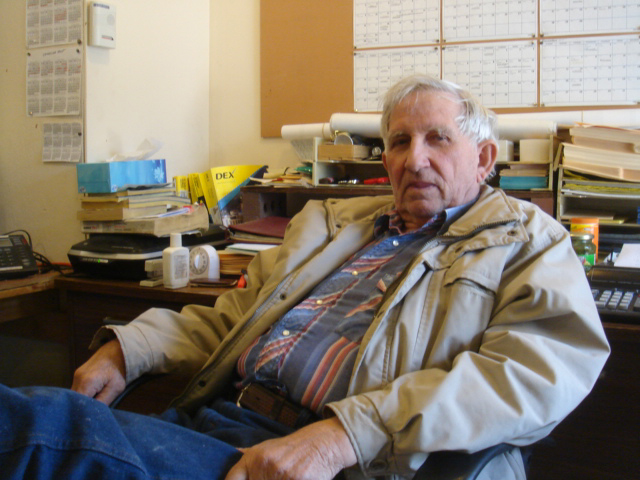
Ken stares down the valley to the towering red wall on the far side of Spanish valley and beyond to the tablelands and mesas and  cliffs that have been his home for a lifetime.

“Sometimes the fever goes out….But not all the time. It comes back. I may not change the course of anything  but I  feel better about it when I try.”
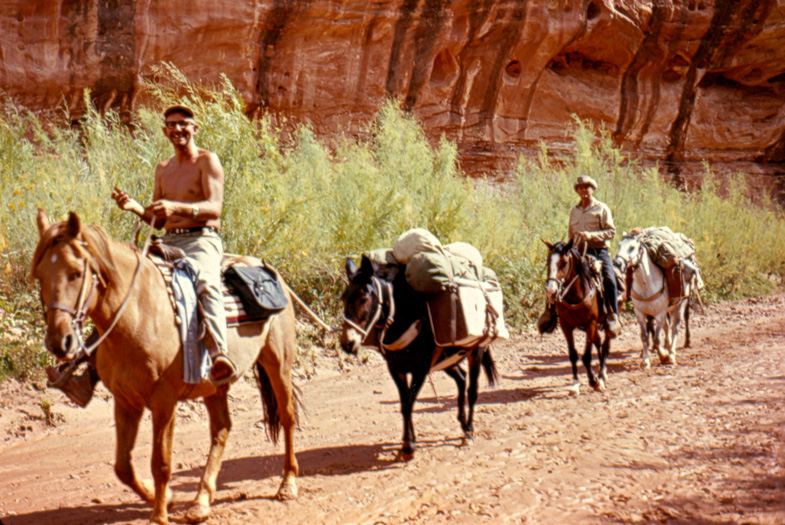
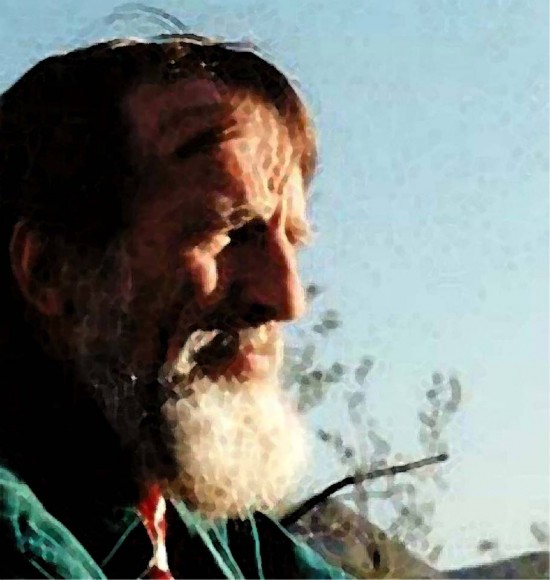
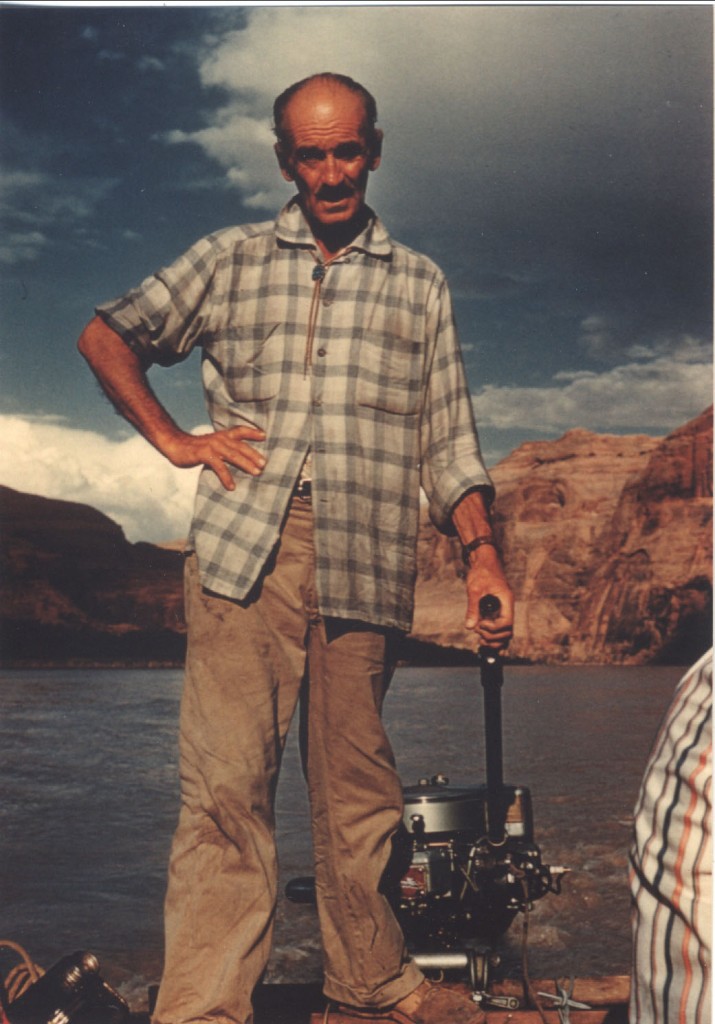
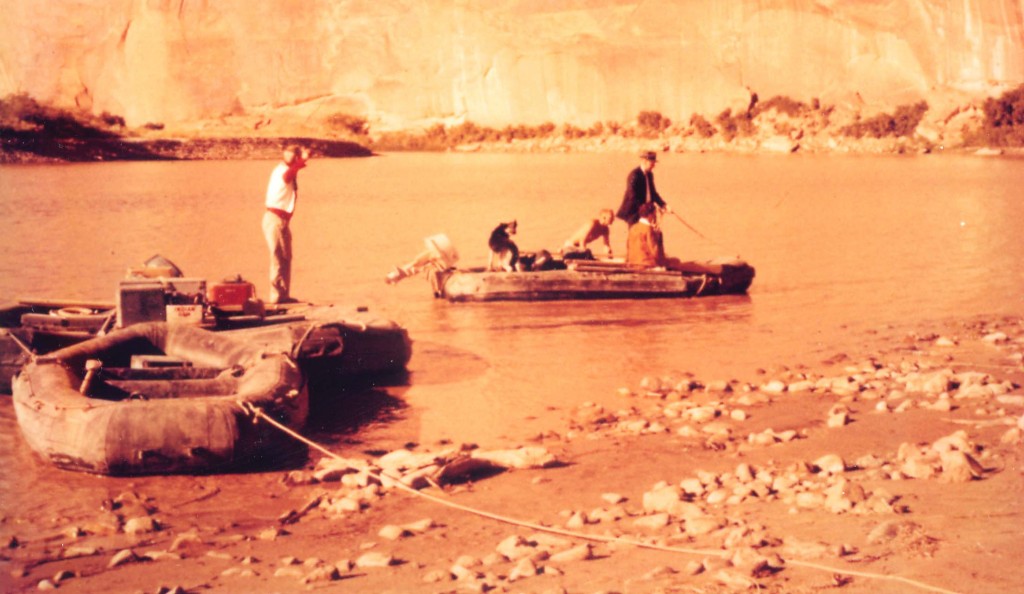
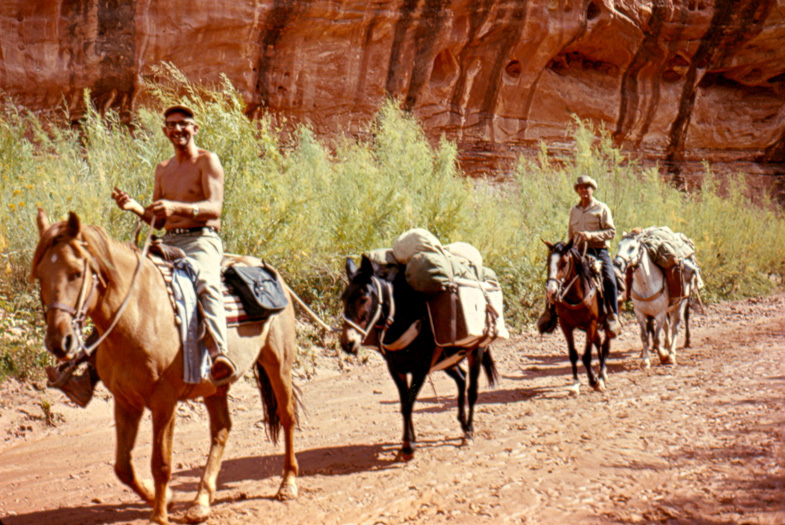
Ken leading a pack trip into Escalante, about 1965.

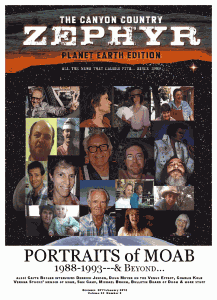
The Dec/Jan Zephyr (click the cover)
Posted in Uncategorized.

(Feb/March Zephyr) Vlachos’ Views…Photos and Captions by Paul Vlachos
Click the image below to see more Photos by Paul Vlachos!

1-001

http://www.canyoncountryzephyr.com/2015/02/02/vlachos-views-photos-and-captions-by-paul-vlachos-16/

Posted in Uncategorized.

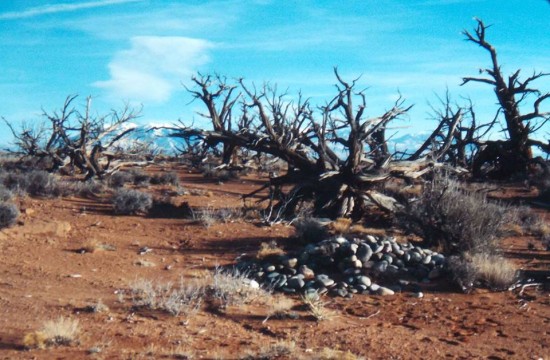
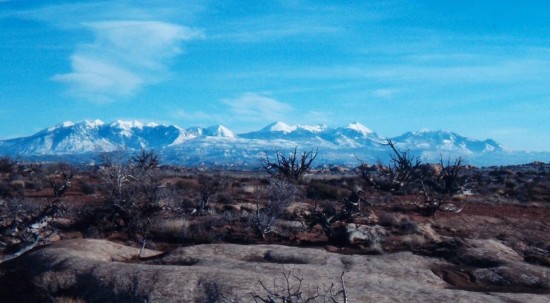
UFO HILL…ARCHES NP. 1978

ufohill3 ufohill2

Posted in Uncategorized.

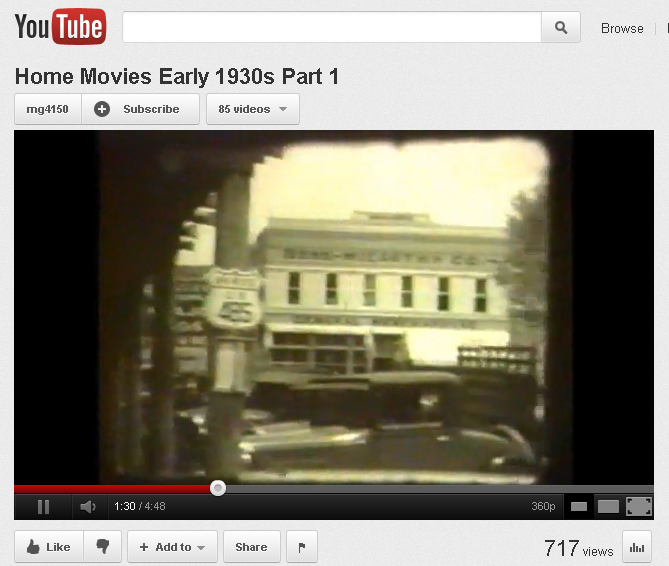
Poking Through the Ruins… From YouTube: Home Movies of New Mexico in the 1930s

I stumbled upon this video recently. Remarkable old home movies of New Mexico in 1933.  It’s helpful to hit the ‘mute’ button. Apparently the film was recorded simply by pointing a camera at the screen and the noise from the projector is a bit annoying. ..JS


Read the Dec/Jan Zephyr Online:

Posted in Uncategorized. Tagged with .

(From the Zephyr Archives) Establishment Environmentalism and “Change Without Changing” By Scott Thompson
An excerpt:

Sometimes a radical movement ignites a spark of passion that captures the public’s imagination. After awhile powerful people, assuming they have some foresight, come to recognize that in order to protect themselves the group must be granted a bona fide role in society. Indeed, such a maneuver often confers a bonus beyond neutralizing the movement’s threat: the group’s symbols and terminology can be turned around to support the mainstream political and economic order. While still seeming to change it. I call such a scheme change without changing.


To read more of Scott’s article, click the image below:

edabbey

http://www.canyoncountryzephyr.com/2015/02/02/from-the-zephyr-archives-establishment-environmentalism-and-change-without-changing-by-scott-thompson/

Posted in Uncategorized.

ESCALANTE. 1977

escalante77

Posted in Uncategorized.

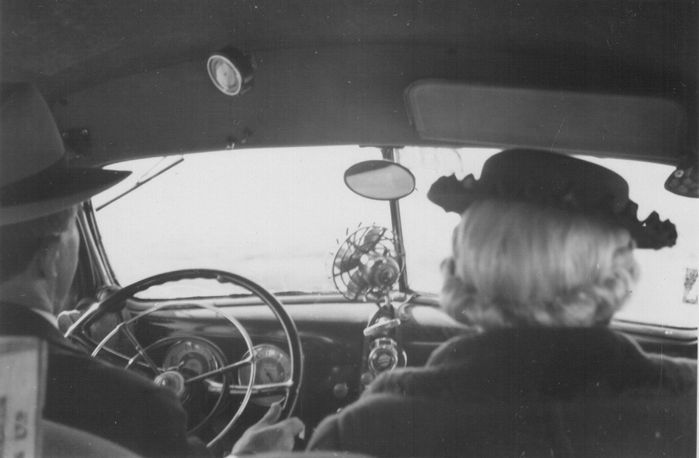
Herb Ringer… ‘On the Road in a Lincoln Zephyr. 1943’

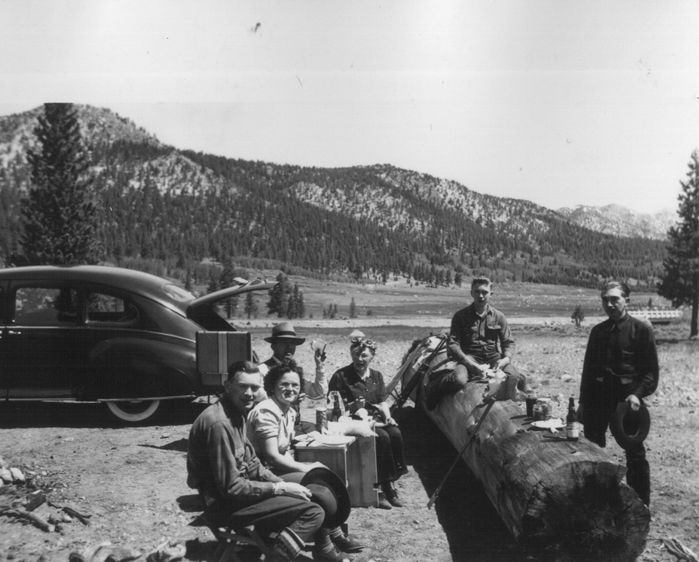
Herb returning to Reno with his parents, Joseph & Sadie after a weekend in Hope Valley.

Camping at Hope Valley with friends.

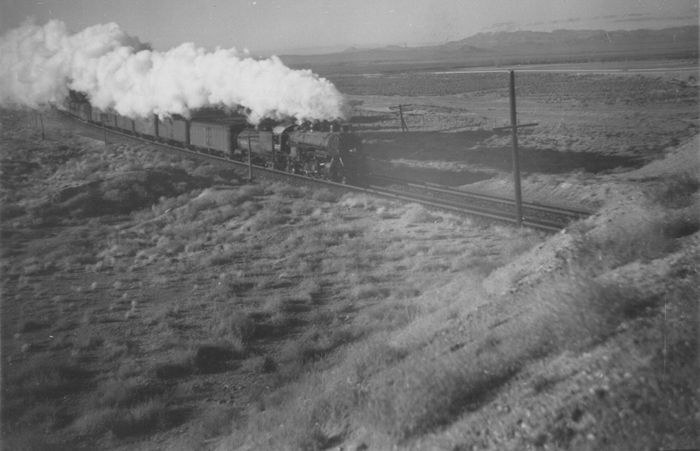
Fast-moving freight.

The Dec/Jan issue:

Posted in Uncategorized.

(Feb/March Zephyr) More Poets, Fewer Lawyers…Poetry by Amy Brunvand

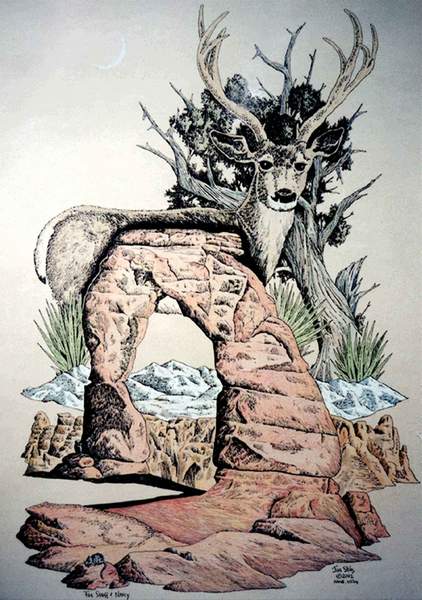
Mule Deer Protection Act

Of course, the Utah legislature had to blame
Someone for steeply declining  numbers
Of mule deer and other hunted game
Animals — it couldn’t be the hunters
Themselves, or the fossil fuel industry
Building drill pads on the winter range,
Or suburban sprawl in river valleys
Where deer went to drink. Political campaigns
Depend on those people.  Wolves, exiled
From the state, had left a vacancy
For a large predator, coyotes filled it
And found themselves hunted for bounty:
Fifty dollars paid for each dead skin.
Run fast, be safe, my wily little ones.


To read more of Amy’s poetry, click the image below:

delicatearch3-sarah

http://www.canyoncountryzephyr.com/2015/02/02/more-poets-fewer-lawyers-poetry-by-amy-brunvand-2/

Posted in Uncategorized.

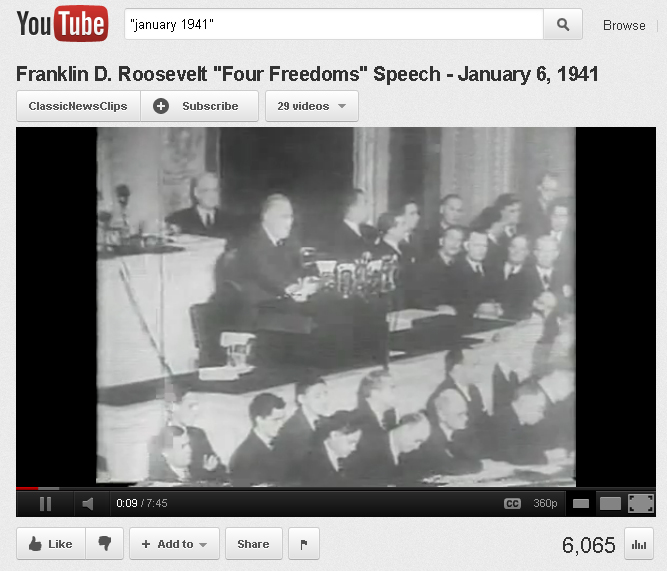
Poking Through the Ruins ….. FDR’s ‘Four Freedoms Speech, January 6, 1941, Seventy-one years ago

FDRs Four freedoms Speech

Franklin D. Roosevelt “Four Freedoms” Speech – January 6, 1941

In the future days, which we seek to make secure, we look forward to a world founded upon four essential human freedoms. The first is freedom of speech and expression—everywhere in the world. The second is freedom of every person to worship God in his own way—everywhere in the world. The third is freedom from want—which, translated into world terms, means economic understandings which will secure to every nation a healthy peacetime life for its inhabitants—everywhere in the world. The fourth is freedom from fear—which, translated into world terms, means a world-wide reduction of armaments to such a point and in such a thorough fashion that no nation will be in a position to commit an act of physical aggression against any neighbor—anywhere in the world. That is no vision of a distant millennium. It is a definite basis for a kind of world attainable in our own time and generation. That kind of world is the very antithesis of the so-called new order of tyranny which the dictators seek to create with the crash of a bomb.

—Franklin D. Roosevelt,
excerpted from the State of the Union Address to the Congress, January 6, 1941

Read the December/January Zephyr online:

Posted in Uncategorized. Tagged with .

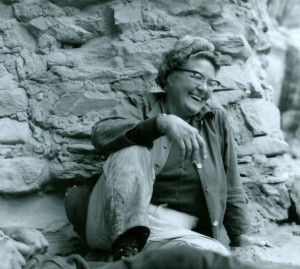
(from the archives) ‘EDNA FRIDLEY: Forty years along the trail and down the river’ —Ken Sleight


This is the story—a sort of historical sketch—of one of my most adventurous friends. Though she would join me on many trips—about 40 of them—from 1962 to 1979, I had never heard of Edna Fridley when Harry Aleson met me for dinner in 1962. Harry and I met in Salt Lake City for food and good old river talk. His pending Yukon River trip took top billing. I planned such a trip in a few weeks too. While chatting, Harry said he wanted to go to Brigham City to see a client of his who had taken a number of trips with him in Glen Canyon. He asked if I wanted to go along. Thank goodness I said yes. I jumped into his Dodge power wagon and off we went to Brigham.

As we drove, Harry told me a little about Edna Fridley, a woman who loved Glen Canyon as much as we did. Edna and her husband Charles made their home in Brigham City. Their daughter Martha attended school and Charles worked for Hercules. A whiz at computers, Charles seemed to enjoy his job. I don’t know if they knew then that they would stay so long in Utah.

Edna, inviting us into their well-kept trailer-court home, seemed glad to see us. Harry introduced me and she and I talked for quite some time about the canyons. Charles supported Edna’s sense of adventure. His wry sense of humor matched Edna’s. It certainly attracted friends to them, and I enjoyed talking with them.

I had known Harry for some time. At his invitation, I often camped with his small groups in Glen Canyon. Often, because of Harry’s failing health, we joined together for conjoint trips in Glen. We both benefited from the arrangement. Harry met a lady named Dottie on one of his trips, and, before long, they set a marriage date and a wedding site at Lost Eden Canyon. They wanted one last and marvelous trip before the reservoir encroached behind Glen Canyon dam. Edna Fridley and I were both members of the wedding party. I came late, having taken my own boat to meet our friend Bill Wells, the Flying Bishop of Hanksville, and carry him across river to the wedding site. He was to marry the couple.

We all hiked up to the ceremonial site in Lost Eden in front of a beautiful pool of water. The wedding proceeded without a hitch. After the jovialities and best wishes, I chatted with Edna Fridley for some time, and she gave me a rundown on things. She’d be with Harry and Dottie for the remainder of their trip. It was the last trip for her before the filling of Glen Canyon by the reservoir behind the dam. The reservoir would destroy the canyon as she knew it. I told Edna that I’d be taking Escalante “hiking with pack stock” trips the following year to explore areas not yet desecrated. Later, I sent Edna some homespun brochures, and she excitedly signed up for an Escalante trip.

The dam’s effects thrust my mind into an upsetting quandary. The reservoir rose at such a rapid rate that God-given treasures faced destruction each day. The reservoir flooded and destroyed many beautiful side canyons and grottos, thousands of ancient Indian ruins and writings, and even the majestic Music Temple and Hidden Passage. For a brief spell, I had thought of escaping north to the peaceful and quiet country of the Yukon. But, as I camped on the river sands, I concluded that I needed to continue to be close to the land I treasured, in spite of the dam.

At this point, I moved my family to the town of Escalante, one of the most out-of-the-way places in Utah, to be closer to an incredible river canyon system. Abandoning my former transport of river rafts, I climbed astride my horse to see the remaining enchanting canyons not yet affected by the rising waters. I carried the food, gear and personal duffel by horse and mule pack.

Escalante had been very young village when the legendary Hole-in-the-Rock colonizing party passed through in 1879 on its way to the San Juan River country. The large party, some of its members my own distant relatives, made the trip in six months, a trip they foolishly thought would last only six weeks.

Edna soon came to Escalante and met many of the town folk. Coming and going from trips, we spent a lot of time at cousin Mohr Christensen’s Moqui Motel. My clients met there and at the other rustic-looking motels in Escalante when coming on trips.

Edna loved Escalante Canyon and became intimately familiar with its features. We frequented Coyote Gulch more than any other canyon. It contains Jacob Hamblin and Coyote natural bridges and Jug Handle Arch. At its mouth and across the river, Stevens Arch looms high on the skyline. Negotiating this country often came hard. Going down Coyote Gulch on one trip, a giant part of the wall broke away and crashed into the creek bottom below, forming a natural dam. My old intrepid friend Vaughn Short, who helped me a lot through those years, aided me in fashioning a detour around the slide and I got our horses and mules around the long pool of water. Edna followed that trail on numerous occasions, as it led to Indian wall writings.

Also, we often visited the wondrous Broken Bow Arch in Willow Gulch, one of her favorites. Downstream, we’d hike and climb into the narrow confines of 40-mile Creek.

When I first went overland into Davis Gulch, Lloyd Gates drew me a crude map. With pencil in hand, he directed me to a point on a mesa where the stock trail quickly dropped into the canyon. Edna loved following old trails like that. She joined an April 1963 trip into Escalante Canyon and she followed it up with another in a different part of the canyon. She loved exploration. We chatted about Everett Reuss by the hours. Everett Ruess, the young, wandering poet, left several ‘Nemo’ in Davis Gulch, and his graffiti became a destination favorite because he vanished there in 1934. He left his traces in the ruins and writings on the walls and so the “Everett Ruess Natural Window” became a testament to his memory.

During the next couple years, she took a Green River trip through Desolation Canyon and a Cataract Canyon trip. Then she signed up for hiking trips into Escalante Canyon, The Standing Rocks, and the Kaiparowits Plateau.

We were fighting the progression of time and the rising of the dam waters. Soon, the waters covered the lower part of the Hole-in-the-Rock and the Register Rock where a few of my own kin scratched their names onto the walls. Prior to the inundation, Edna took careful note of the inscriptions.

Then the reservoir waters drowned out the enchanting Cathedral in the Desert. It devastated the beautiful Gregory Natural Bridge and destroyed thousands of ancient Indian ruins and sites. It killed beaver and many other animals; their carcasses found at the end of numerous canyons. This upset Edna very much.

When I met her, Edna was a good looking and charming person of middle age, and from Hungarian stock.  Her attractiveness came largely from her energy and her interest in searching the canyons. She relished history and archeology. And Edna loved Grand Gulch.

Once, in Grand Gulch, we got hit with a heavy rain and flood. Edna had gone a couple of days before and awaited our party downstream. Vaughn made his way down to her and walked her back to our camp. For the next three days we sat in an Indian dwelling watching the constant flooding. The floods kept coming and we drank the last of our libations. The fourth day we walked out of the canyon.

One day, down in Grand Gulch, while riding my hose and leading a couple of pack horses, I saw Edna sitting on the creek bank some distance below, intently looking up at the canyon wall. She hadn’t noticed me yet. I quietly pulled Knothead to a still, and watched her. “What is she looking at?” I thought. “A bird?” It seemed that she had gazed at the wall for many minutes. Curiously, I looked up on the same wall in the direction she was looking, but I didn’t discern what she aimed her eyes at. I urged my horse forward for a closer look.

On my dismounting, Edna noticed me and took her eyes from the wall. “What you lookin’ at Edna,” I inquired with much interest.

“I found another Kokopelli!”

She directed my eyes with her walking stick and I saw a delightful pictograph that I had never seen before. We happily discussed her great discovery for a little while and then, mounting knothead,, I headed down canyon to set up camp. Edna waited there for other party members to catch up so that they’d not miss her discovery. So, now, whenever I pass that same site, I always look up and wave at “Edna’s Kokopelli.”

She came to know most of the boatmen guides and wranglers who worked with me during the 1960s and 70s. Besides myself, there were river guides Jack Brennan, Harry Aleson, Brad Dimock, Cliff Rayle, Bob Shelton and Den Lehman. Among the wranglers and guides were Reeves Baker, Mac LeFevre, Bill Adams, Owen Severance, Vaughn Short, and Pete Steele. And, of course, our infamous pilot, Bill Wells, the Flying Bishop of Hanksville, must be included. We were all essentially her students. As an intrepid de facto guide, on meeting at the motels, Edna would often pull out some of her slides from her camper, set up her projector and show pictures of other trips she had taken to the guests. She helped greatly to entice the people to go on them and kept my business alive. On one occasion, she even came to Green River, where I lived in my small warehouse, and she helped me get my records up to date.

And she was a great companion on the trips. Though all of us had different occupations, we had great camaraderie among us all as we all pretty much shared the same interests and activities. When she wasn’t traveling with me, she made frequent trips with her friends: Sam Carter, Eunice Tjaden, Virginia Kavenaugh, Dorothy Mitchell, Delcie Vuncanan, Charles and Wilma Murray, Janet Tibbetts, Bea Rizzolo, Tad Nichols, and a host of others. In April of 1973, she backpacked alone into Grand Gulch and I carried some of her supplies and dropped off “food pack #1” to her. Then her husband Charles came down with my group and Edna rejoined us. On our way out of the canyon, I dropped off “food pack #2” to her. She and her friend Delcie Vuncannon were to explore the lower Grand Gulch. Shortly after that, the two backpacked into Horseshoe Canyon.

Not only did Edna and I share the love of the great outdoors, we had a great time sharing the canyon experiences. In just a few years, we took in numerous canyons and rivers. We took trips into Kanab Canyon, a weeklong Labyrinth Canyon river trip, and a number of repeated trips into various sections of the Escalante Canyon. We took a Peru trip to the Maya ruins at Cusco and Macho Picchu. After one trip, she informed me that she had sugar diabetes. She wrote me: “That probably explains why I seemed to be trying to drink the Coyote Gulch and the Escalante dry.” In the future she planned her diet more closely and she brought some of her own “water-packed food”—which the mules enjoyed packing.

We took varied wilderness trips to the Waterpocket Fold, Horseshoe Canyon, the San Juan River, Paria Canyon, The Big Bend country on the Rio Grande, Powell Plateau in Grand Canyon, Havasu Canyon, Desolation Canyon on the Green River, and the Hole-in-the-Rock. Then we took a backpacking trip, with inner tubes tied to our packs, through the Black Box of the San Rafael River. A later letter read, “I’m so grateful to have gotten into & through the San Rafael.” That was some kind of trip. Whenever I’m driving past the Swell, I always grin—and sometimes give a “yippee!” now that it’s in the past & I survived; a couple of times there, I wasn’t so sure I would.

In January 1970, she went with me to Mexico to run the Usamacinta River. And on that trip she fell at one of the Maya ruins and broke her arm. With the help of a local mortician, I put her arm in a cardboard splint and planned to send her out at the first opportunity, but she refused to leave the party. After the ten-day trip, she flew to Miami, where her arm was x-rayed and placed in a plaster cast. Her husband Charles wrote me that the arm was indeed broken but did not need to be reset.

When 1972 rolled around, we were all shocked at river guide Jack Brennan’s passing. And this was followed up with the bad news that Harry Aleson was seriously ill and had entered the hospital at Prescott, Arizona. I drove down to see him and Harry died soon after. Those were sad days for all of us, as we had developed such a tight bond with each other.

In February 1973, Edna dropped me a note that she heard that the Sierra Club was to take a trip into Grand Gulch in April. Edna wrote, “Ye Gods—poor Gulch will be worn out—It’s mine!”

By 1979 her health diminished. Sugar diabetes hampered her activities and it was more difficult for her to get around. From time to time she did get to drive about, but it was a growing problem. She had taken her last trip with me.

In February 1984, Edna entered the hospital for the removal of a colon tumor. She refused chemotherapy treatments and bemoaned the fact that she couldn’t take any more trips. While recuperating, she wrote: “It’s mighty hard to refrain from getting behind that wheel and rolling down the road on a sunny day.”

She wrote to me once, “When you’re looking at Broken Bow, think of me.” When I last visited it a couple or so years ago, I did think of her and her wonderful arch. She died about that same time, expressing to the end her great love for the canyons.

Posted in Uncategorized. Tagged with , , , , , , .