Skip to content


A GENERATION SHIFT at our NATIONAL PARKS —Stiles

From the Zephyr Archives–2006

Longtime Zephyr subscriber Hank Ramsey sent me some disturbing information lately. He introduced me to an organization called “Cooperative Ecosystems Studies Units” or CESUs. According to CESU it is, “a network of cooperative research units (that) has been established to provide research, technical assistance, and education to resource and environmental managers…multiple Federal agencies and universities are among the partners in this program. Ecosystem studies involve the biological, physical, social, and cultural sciences needed to address resource issues and interdisciplinary problem solving at multiple scales and in an ecosystem context. Resources encompass natural and cultural resources.”
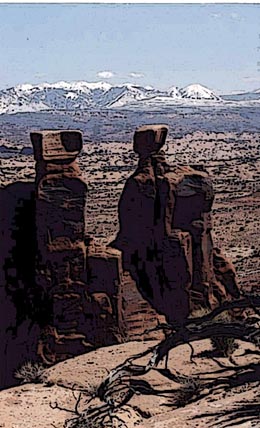
At a joint meeting of the Rocky Mountains and Great Plains CESUs in April, the topic was “Tourism Break-Out.” Here are some excerpts:

“Regarding tourism and tourism patterns in the West, the key issue is CHANGE – including changes in visitor groups, desired activities, desired experiences, tourism patterns – and how these changes will influence federal land managers – in the short and long term.”

This section particularly moved me:

“A recurring discussion theme was that it’s important to have young people involved in projects – because they are a primary age group that we need to know more about, and a group that can help federal agencies recognize future needs. CESU collaboration with universities provides an excellent way to reach this group of young researchers/project team members.

“It is critical for federal managers to understand how different groups want to use federal lands and, in the same way, how they value federal lands. For example, how do BLM and/or NPS lands “resonate” with different age groups or ethnic groups – and what will this mean for the long-term support and interest in their federal lands.” Among the topics associated with this are:

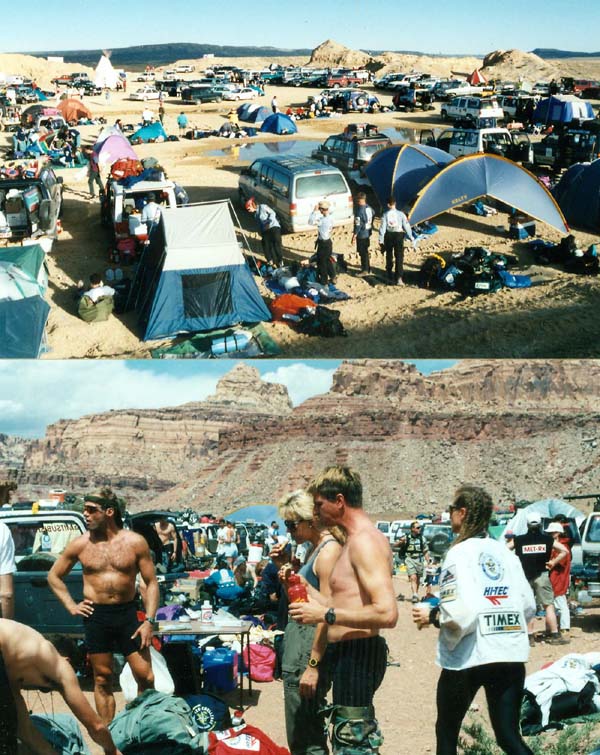
“The changing values of generations regarding parks – what one generation values in a park (such as solitude) may be less important to another generation (that may be more interested in extreme sports).

“Use of Ipods, GIS, computer technology and how that can assist in site interpretation. Issue of “Receptivity.”)

“Great potential for partnerships with outdoor recreation outfitters, suppliers, clothing manufacturers, etc., who already know a great deal about our federal land visitors and have a strong handle on how people are using that land.”

This is how CESU views the future of our national parks. As if the future isn’t already here.
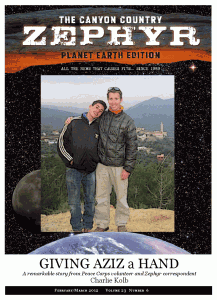
The Feb/Mar Z (click the cover)
Posted in Uncategorized.


(YouTube) ‘TUMBLIN’ TUMBLEWEEDS’ Ken “Festus” Curtis

Posted in Uncategorized.


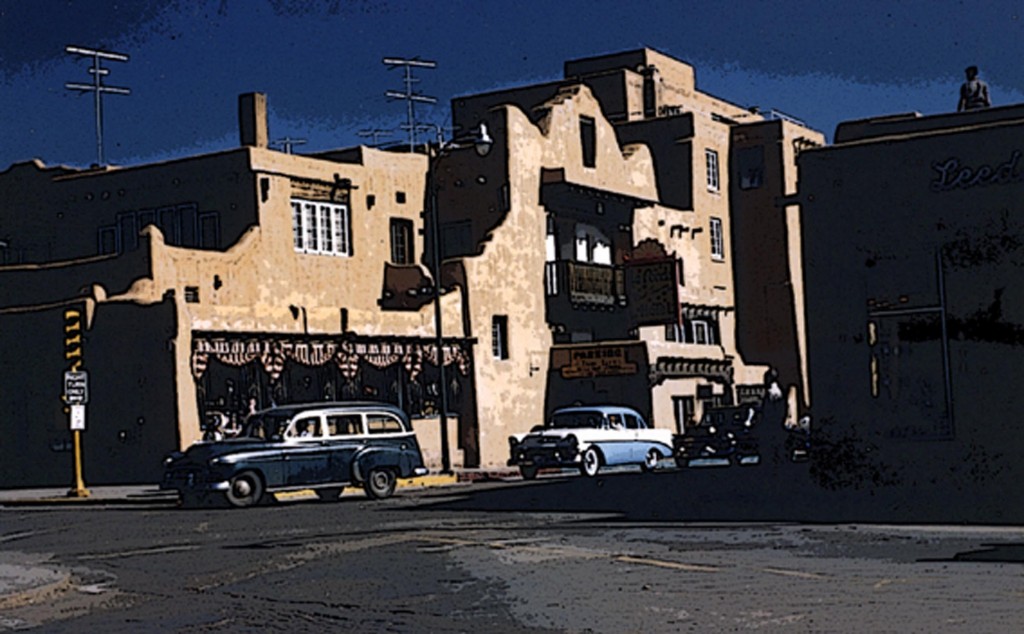
HERB RINGER..Santa fe, NM. Early 1950s

HERB-SANTAFE-A

Posted in Uncategorized.

Tagged with , .


(Feb/Mar 2013 issue) “AN INTERVIEW with TERRY WEINER of the DESERT PROTECTIVE COUNCIL”

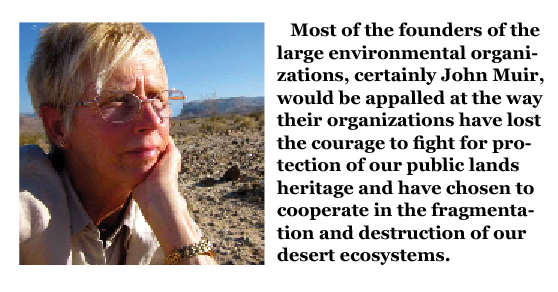
CLICK THE IMAGE OF TERRY WEINER BELOW TO READ THE FULL INTERVIEW…

PQ-TERRYWEINER

Posted in Uncategorized.


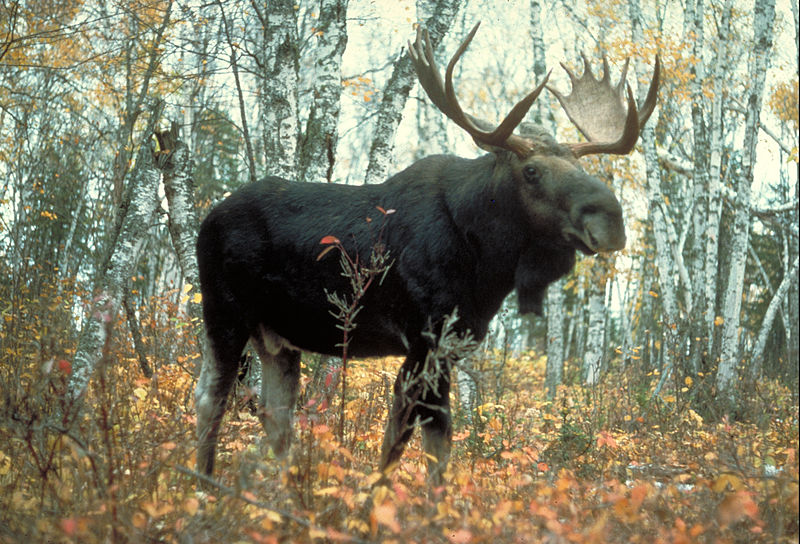
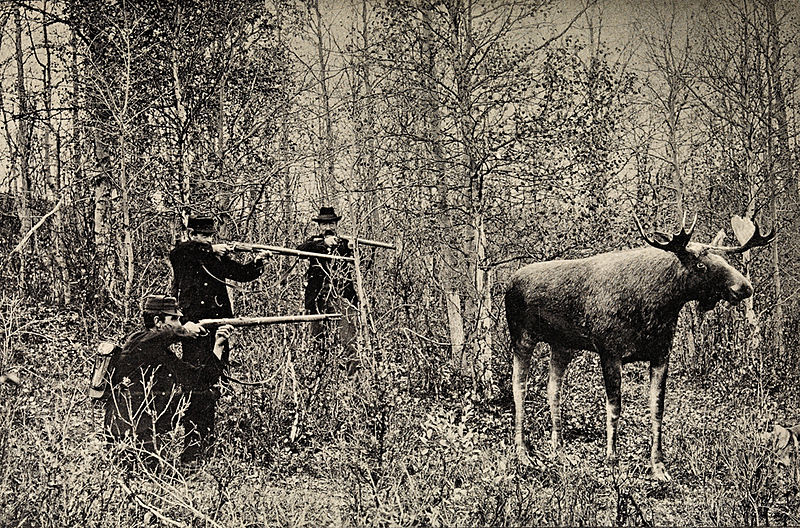
(northlandsnewscenter.com) ‘Moose Hunting Season Canceled Due to Dramatic Drop in Population’

AN EXCERPT:    St. Paul, MN (NNCNOW.com) — A recent survey of moose in Minnesota shows that the population has dropped dramatically, forcing the DNR to cancel the 2013 moose hunting season.

The DNR announced today that the northeast population declined 35 percent from last year. Since 2010, the moose population has declined 52 percent.

TO READ THE ARTICLE CLICK THE IMAGE:

Moose_superior

MOOSE2


http://www.northlandsnewscenter.com/news/local/Moose-Hunting-Season-Canceled-Due-to-Dramatic-Drop-in-Population-190036011.html

Posted in Uncategorized.


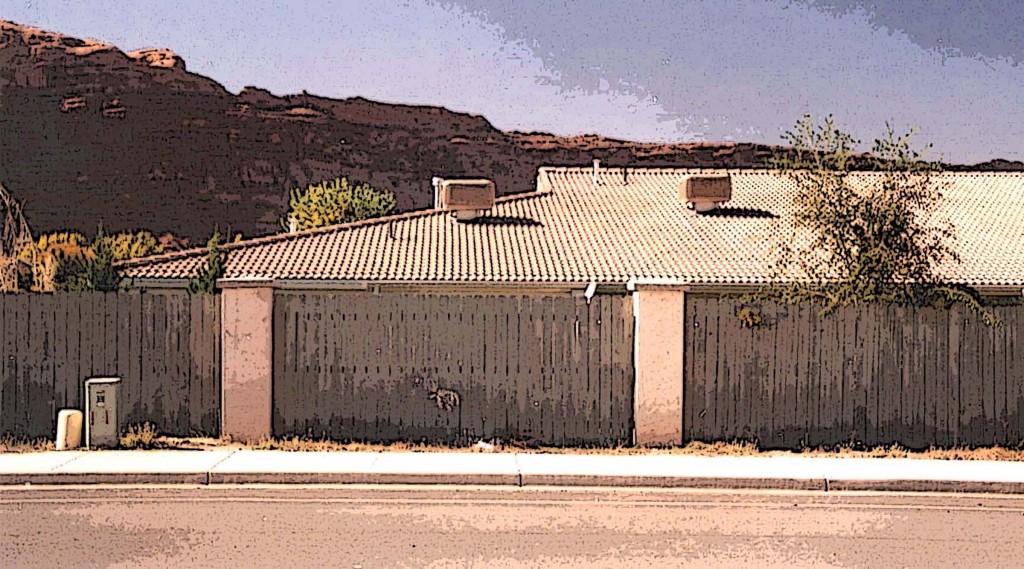
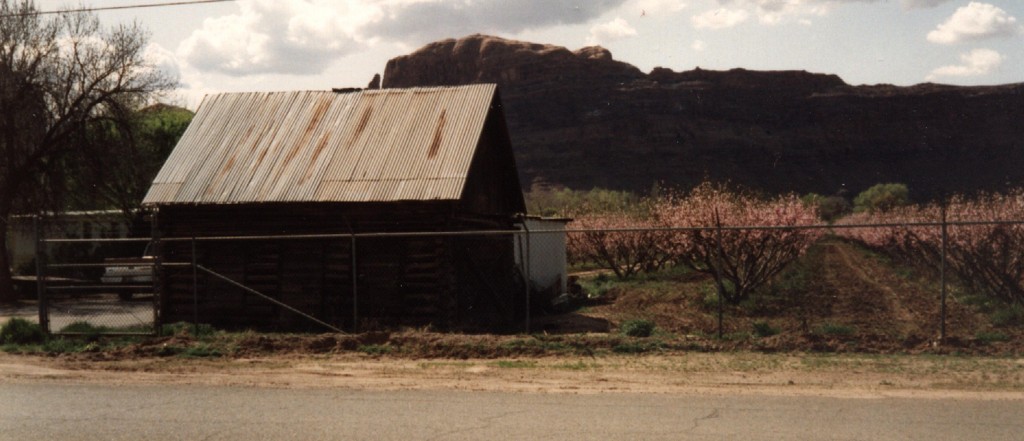
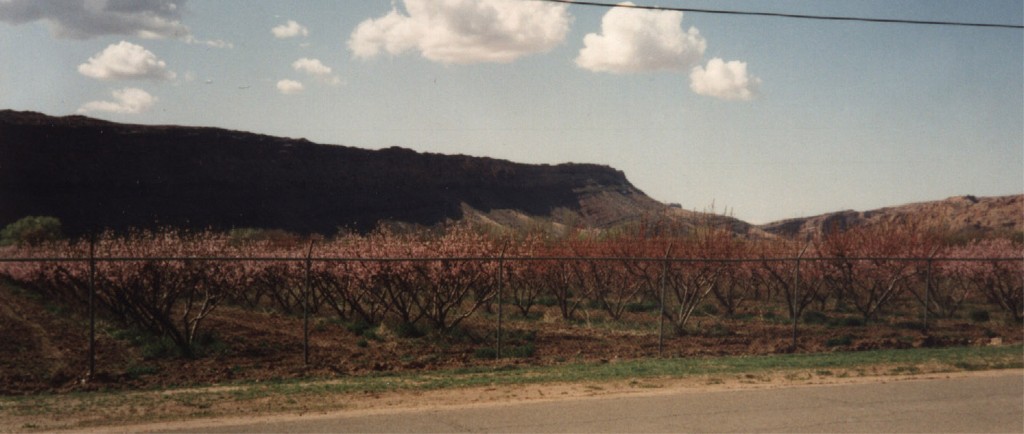
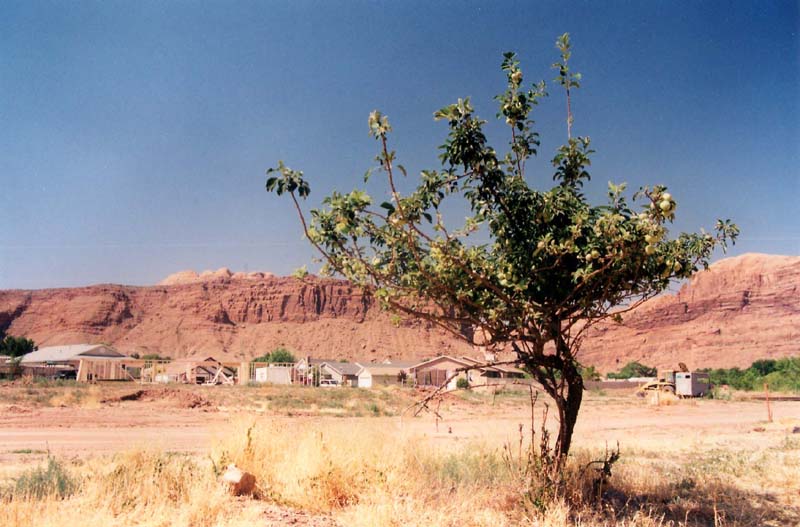
Moab Flashbacks #7: Before & After…The Moab Orchards

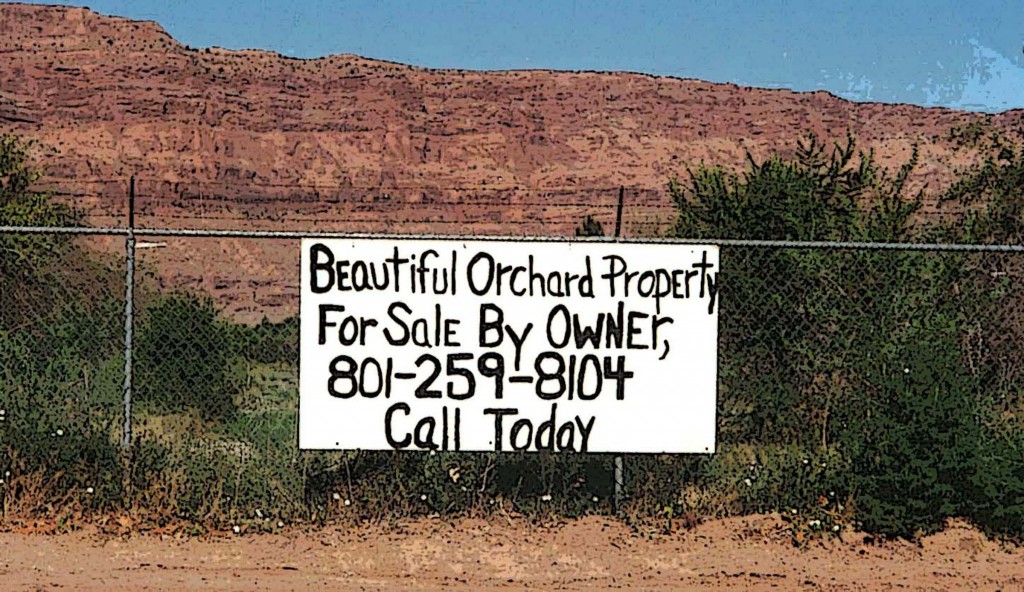
Moab was once known for its magnificent orchards. Today hardly any remain…

As real estate prices skyrocketed in the 1990s and the price of fruit plummeted, many of Moab’s orchards were sold off. The above image with its ‘For Sale’ sign is from the early 1990s. A decade later, at the exact location, I took another photograph of Orchard Villas subivision.

The Clark Orchard, late 1980s…in bloom.

Looking north…

This apple tree was spared by developers and is one of the few surviving remnants of a once beautiful orchard.

Posted in Uncategorized.


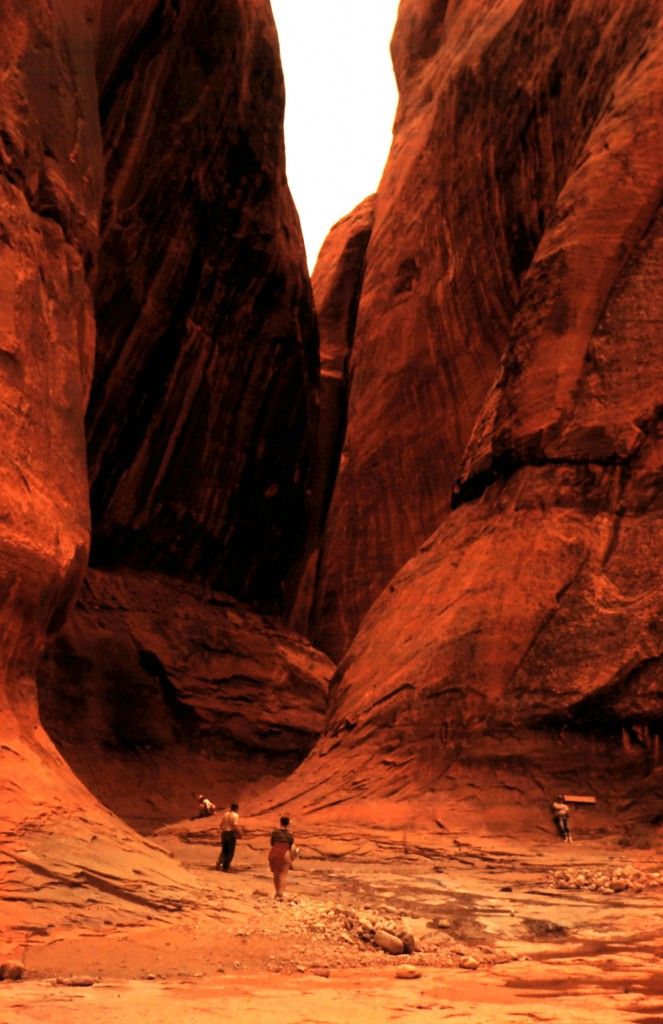
(Feb/Mar 2013 issue) THE LAST LEG of the LAST FLOAT DOWN GLEN CANYON: October 1962

Edna Fridley was a good friend of the canyon country of southeast Utah for more than 30 years. Every year she returned to the slickrock from her home, back east, to wander and explore what was then one of the most remote and isolated parts of the United States.
In the fall of 1962, Edna set off on her last trip down Glen Canyon. The dam, 150 miles downstream, was almost complete.Within months the Bureau of reclamation would close its diversion tunnel and stop the free flow of the Colorado River.
Edna had been invited to join a party of friends to celebrate Harry Aleson’s wedding, which was to happen during the trip. She flew to Salt Lake City, then rented a car to Page, Arizona via Zion National Park. At Page, after checking in at the Page Boy Motel, she arranged a flight to the dirt airstrip at White Canyon.
She took thousands of photographs of her pack and river trips with leg­endary guides Ken Sleight and Harry Aleson. But she also kept journals, often scribbled in small spiral notebooks. Here are excerpts from that trip— Part 3 of Edna’s last journey down Glen…and, of course, these amazing, never­-before­-seen photos…JS

CLICK THE IMAGE TO SEE MORE OF EDNA’S PHOTOS FROM THE LAST LEG.’

6-30-2012_101


Last Float Down Glen Canyon, Sept/Oct 1962: Part 5…The Last Leg

Posted in Uncategorized.


(YouTube) ‘Katie Melua – 9 Million Bicycles (live AVO Session)’

Posted in Uncategorized.


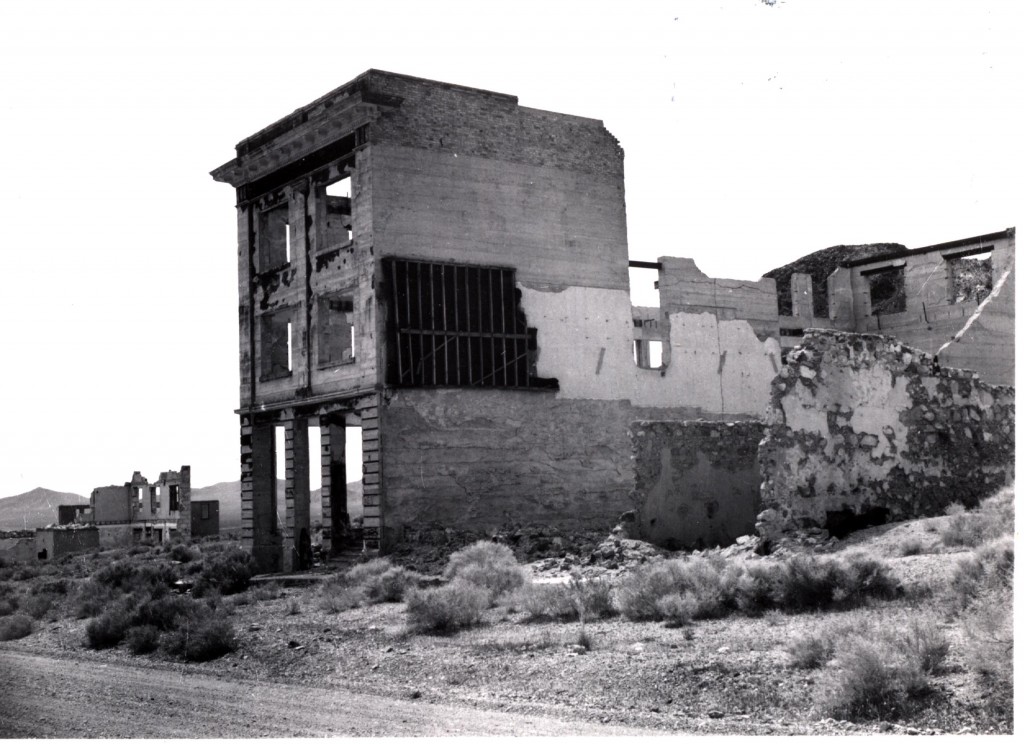
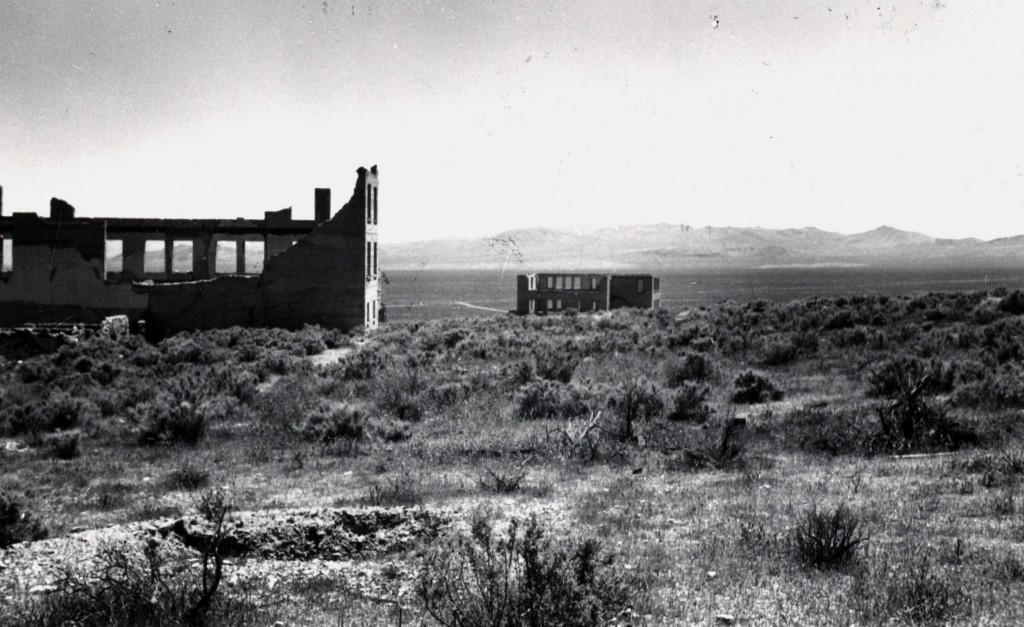
HERB RINGER…Rhyolite, Nevada. 1942

herb2a-de06

herb-rhylite


CLICK HERE TO SEE ALL ZBLOG POSTS


Posted in Uncategorized.

Tagged with , , .


(YouTube) ‘The SteelDrivers “Blue Side Of The Mountain”‘

Posted in Uncategorized.