Skip to content


(from April 2001) ‘THE CONTRADICTIONS OF OUR LIVES: Time to Look in the Mirror’ —Jim Stiles

     2012 EDITOR’S NOTE: This issue changed The Zephyr forever. We never quite looked at the West in the same way as we had. It started with this page 2 editorial…JS

This issue has been in the works since last summer. As a gnawing dull pain in the back of my conscience, it’s been around for years. I suspect that anyone who lives here and makes a living here, and actually thinks from time to time, knows the kind of ache I refer to.


We live in one of the most beautiful places on Earth. Many of us moved to Moab years ago, or decades ago, against the advice and approval of our friends and elders who said, “How in the hell are you going to make a living out there in the middle of that desert? Pretty sunsets don’t pay the rent, boy!”

     But we moved here anyway, took our chances, downsized our expectations of material wealth, and took pleasure in those precious intangible assets that many others failed to see.

     Now we sit in a new century, and my friends and I are part of the Moab Establishment. We own homes, businesses, some have families, and almost all of us are connected, in some way, to the very same tourist economy that we’ve also come to loathe.

     It is a strange and troubling contradiction. A love-hate relationship that often tears away at the very principles and values we hold most dear. We came here 20 years ago, embarrassingly self-righteous and blinded by the black and white simplicity of idealistic youth. We came here to save the canyon country.

     We in the environmental community essentially declared war on the traditional abuses of public land–grazing, logging, mining–the extractive industries that have clearly wreaked havoc on the red rock country for a century. There were so few of us here then, just a handful by today’s standards, that our own impacts on the land–our non-motorized recreational activities–didn’t worry any of us.

     But it should have. We should have seen what was coming and we didn’t. We were simply the vanguard of a staggering demographic shift and a cultural and recreational revolution. Our hip little Moab Minority helped pave the way for what has happened since. Across the West there are other Hip Minorities who did the same for other small towns in what we now call the New West. 


In 1950, the population of all the western states, save California, was 17 million. By 2000 the number had jumped to more than 50 million. The population of the U.S is projected by some to reach 400 million by the middle of this century and the growth will not be equally distributed. Indeed, the New West sits on the verge of an explosive change that is almost beyond our comprehension and we must deal with it.

     To me, we environmentalists have failed to come to terms with the changes and grim promise of a very crowded future. We must be willing to come forth and say: WE ARE PART OF THE PROBLEM.

     Recently an editorial in the Salt Lake Tribune suggested that, “…while they (environmentalists) were battling the cattle ranchers, oil drillers and loggers, they overlooked another threat that can wipe out an area’s wild character as effectively as a clear-cut: Themselves.”

     To me, it at least offered an opportunity for some honest soul-searching. But the Southern Utah Wilderness Alliance’s response was, to me, discouraging. “While we agree that all of us have an impact on the land,” SUWA’s newsletter replied,  “the difference between hiking and clear-cutting is profound. Implying otherwise suggests deep-seated, dogmatic opposition to the efforts of environmentalists.”

     From dogmatic to disingenuous. Of course, we all know the difference between a clear-cut and a footprint. But how about a billion footprints? Or ten billion? How about well-intentioned, self-proclaimed environmentalists moving by the millions into the ever-dwindling habitat of the ever-encroached wildlife? How about the exploitation of wildlands by a whole spectrum of non-motorized recreational entrepreneurs who can gain absolution from environmental groups by making a generous donation or by paying lip service support to a particular piece of environmental legislation?

     Or how about a funky little bi-monthly publication that complains about all these abuses and yet survives on the advertising revenues of some of those very same companies?

     My own contradictions are enough to give me insomnia. On the one hand, I feel relieved in a way that years ago, my own big mouth ran off the BIG ADs like McDonald’s and Burger King. I’ve never had to worry about conflicts of conscience on a grand scale. I never refused their ads–my own editorial expressions kept them away in the first place.

     But the contradictions linger. My pal Joe Kingsley, who is currently mad at me again because of the “Moab’s Beloved Junk” issue, told me I’m a hypocrite because I complain about tourism and then make money off tourist-based companies.

     What can I say? He’s right. My policy has always been that anybody can advertise, but that none of them should expect me to alter an opinion to appease them. “It’s not like I’m holding a gun to their heads,” I told Joe. “If they don’t like The Zephyr, they can get out.” So he did.

     But it certainly doesn’t absolve me. For example, I despise guide books–I think they’re ruining some of the last best “secret places” in SE Utah. Yet half my advertisers must sell some kind of a guidebook. And without exception the businesses that sell the books are good people trying to make a living. The contradictions are excruciating. All many of us can say in our defense is that we came here to make a living, not a killing, and that most of us don’t want to see this community completely grow beyond recognition, even if it means we drive the same car for a decade and eat beans in the winter. We try to do the best we can and hope we can live with our own consciences.

     So what happens next? There is a dangerous contradiction just waiting to be exploited when someone suggests that the drawbridge to the town needs to be raised, now that we’re on the right side of it. But the truth is, if 20,000 potential immigrants look at our town of 9000, and they all decide to move here, it won’t be a little town of 9000 anymore will it? Maybe some of us will have to leave, in order to make room for others.

     But one thing is certain. Environmentalists can no longer ignore the invasion around us and pretend it’s still 1975. The times have changed and the culture has changed. “Wilderness” is still just as important as it ever was, but saving this land is so much more than that. One of my friends put it best: “When the population of Utah grows so much and changes so much that its Senators actually want a big wilderness bill, it’ll only be because we yuppies moved in and took over the state…and that’s when I’d have to leave.”    

     Isn’t that weird? And I’d be right behind him.

Posted in Uncategorized.


(YouTube) Long Lonesome Highway-I Think of You

Posted in Uncategorized.


(YouTube) ‘Plain Song (An unwelcome guest) – Ghost Dances No13 ‘

Posted in Uncategorized.


From the OCT/NOV Zephyr: Quiet Times at Arches National Monument: Lloyd Pierson and Lyle Jameson remember Arches in the 1950s…by Jim Stiles

An excerpt:

“For Lyle and Lloyd, it’s the road. “None of this was here of course,” pointed out Lloyd as we rolled through the Entrance Station. “The paved road, the visitor center, all of it except Bates’ house (former superintendent Bates Wilson who lived in the stone house now adjacent to the visitor center), was a part of Mission 66, the big nationwide construction project to improve the facilities at parks and monuments. Actually, the first section, where it switch-backs up the cliffs was begun by the C.C.C.s (Civilian Conservation Corps) in 1939 or 1940. Lloyd remembers that the first C.C.C. camp was set up on the site of the Atlas pond, “but they must not have been here long because they didn’t get very much done.” And for good reason. In December 1941, the United States entered the war and everything got put on hold for fifteen years…”

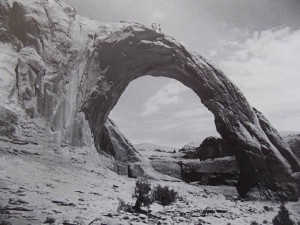
To read more of Jim’s story, click the image below:
ARCH-cat 3322-49


http://www.canyoncountryzephyr.com/2013/10/01/quiet-times-at-arches-national-monument-lloyd-pierson-and-lyle-jameson-remember-arches-in-the-1950s-by-jim-stiles/
Posted in Uncategorized.


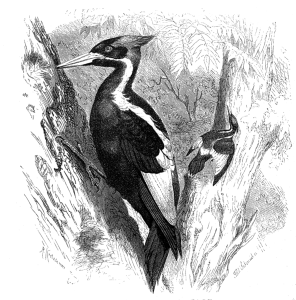
From the OCT/NOV Zephyr: (From the Zephyr archives) Losing Solitude: THE IVORY-BILLED TRUTH …by Martin Murie

An excerpt:

“They’re still doing it, enviro outfits consulting consultants. The latest attack of this ailment is described in a column by Amanda G. Little. (1) A year ago about 20 “national” varmental groups got together at a conference center in Maryland to listen to George Lakoff instruct them in the art of “framing.” This framing specialty is, according to Little: “purposeful use of concepts and language to recontextualize debates and change the way the public views an issue, or the world.” Translation: How to change citizens’ minds about something…”

To read more of Martin’s article, click the image below:

592px-Campephilus_principalisATN467L


http://www.canyoncountryzephyr.com/2013/10/01/from-the-zephyr-archives-losing-solitude-the-ivory-billed-truth-by-martin-murie/

Posted in Uncategorized.


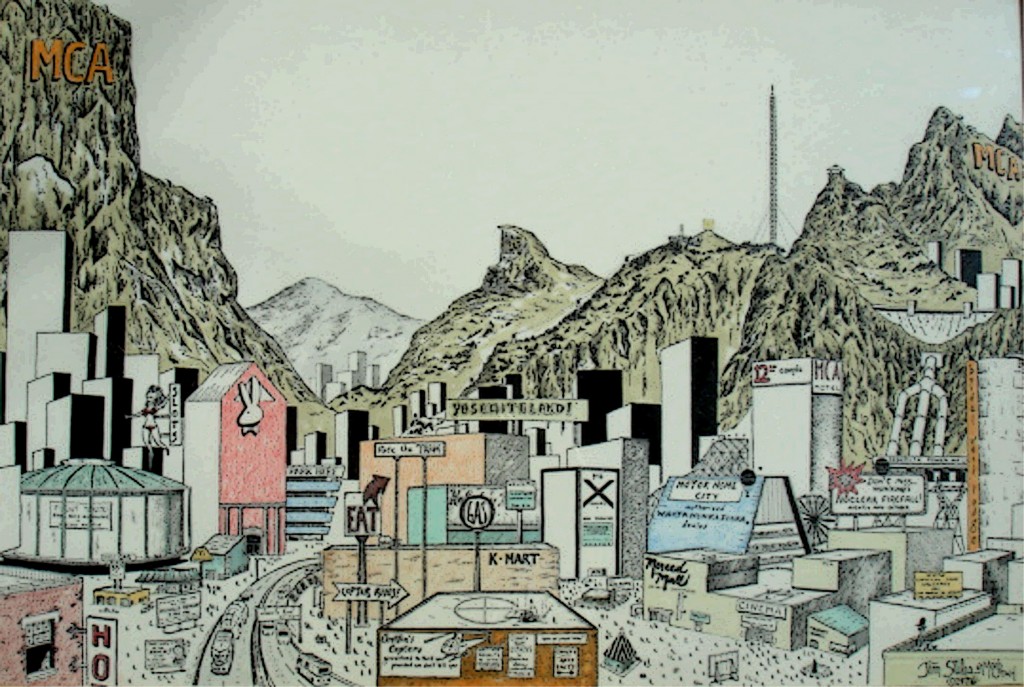
Zephyr Image of the Day: ‘YOSEMITELAND’ 1979 –stiles

yosemiteland2

Posted in Uncategorized.


(YouTube) ‘CRACKERJACK TV COMMERCIAL’ 1965

Posted in Uncategorized.


From the OCT/NOV Zephyr: From TOM TILL “THEN & NOW”

Click the image below to see excerpts from Tom Till’s “Then & Now”:

TILL2-OC13


http://www.canyoncountryzephyr.com/2013/10/01/from-tom-till-then-now/

Posted in Uncategorized.


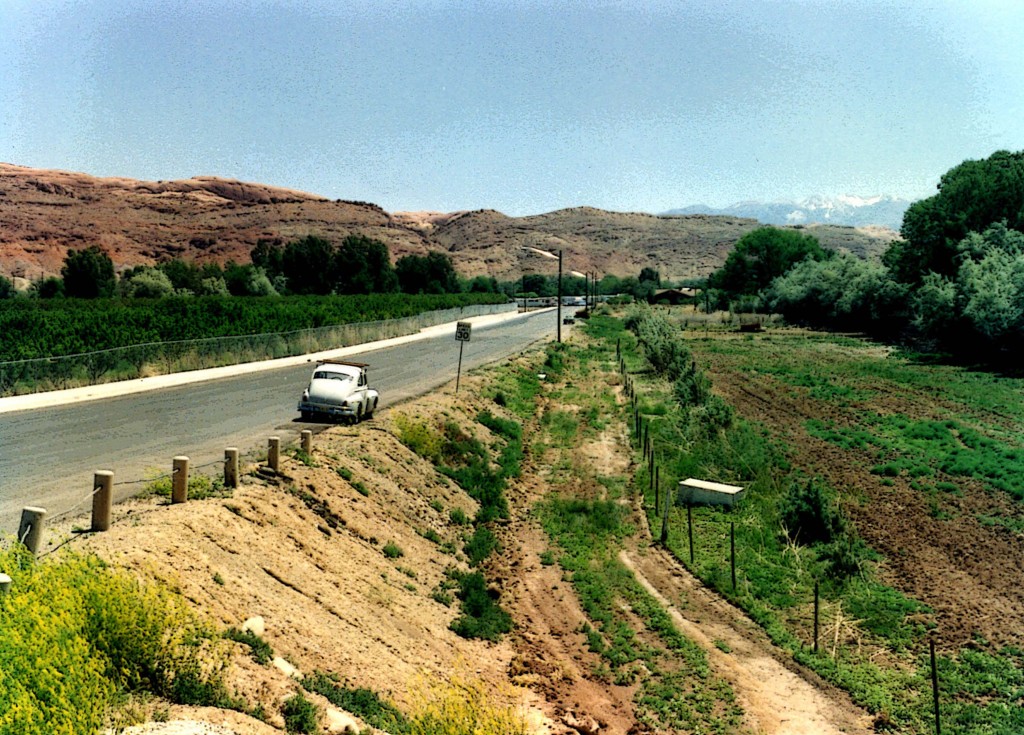
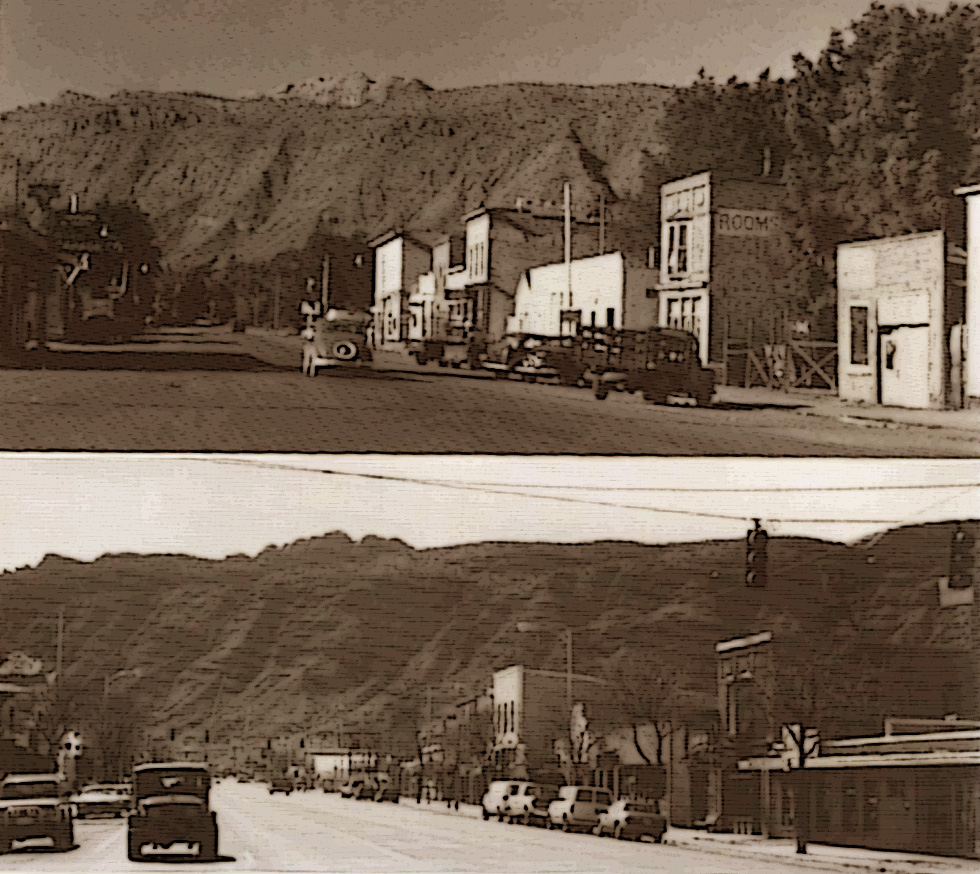
(June/July 2013) Before & After: Williams Way & 500 West, Moab, Utah…1989 & 2012

Click the image below to see what this lovely intersection looks like today:

moab-williamway1989A

http://www.canyoncountryzephyr.com/2013/06/02/before-after-williams-way-500-west-moab-utah-1989-2012/


Posted in Uncategorized.


From the OCT/NOV Zephyr: Building Bridges: a History of crossing Courthouse Wash and the Colorado River… by Lloyd Pierson

An excerpt:

“Traveling through southeastern Utah has not always been easy. The canyons of the Colorado River and its tributaries pretty much dictated where the traveler should go. The crossing of the Colorado at Moab was a most important landmark and was the only “easy” crossing of the river north of the Mojave Indian villages (near present day Needles, California) until one reaches the Grand Junction, Colorado area. “Easy” is a gross overstatement really, for although it was easy to get to the crossing by trail, getting across was another matter. Many times during the summer flood period or after rain-induced flooding or during the spring breakup of the river ice, it was most difficult to get across the river and many men and animals have lost their lives in the attempt. The river is fast and treacherous and even today swimmers in the river occasionally drown…”

To read more of Lloyd’s story, click the image below:

coriverbridge3


http://www.canyoncountryzephyr.com/2013/10/01/building-bridges-a-history-of-crossing-courthouse-wash-and-the-colorado-river-by-lloyd-pierson/

Posted in Uncategorized.