Skip to content


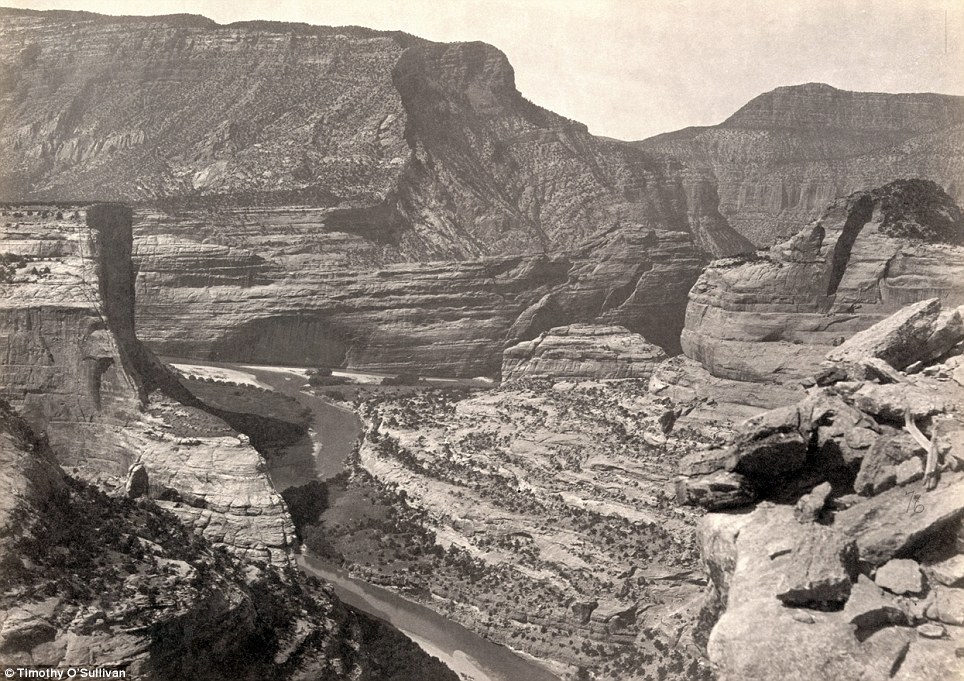
(from the DailyMail) ‘How the Wild West REALLY looked: Gorgeous sepia-tinted pictures show the landscape as it was charted for the very first time’

AN EXCERPT:   These remarkable 19th century sepia-tinted pictures show the American West as you have never seen it before – as it was charted for the first time.

The photos, by Timothy O’Sullivan, are the first ever taken of the rocky and barren landscape. At the time federal government officials were travelling across Arizona, Nevada, Utah and the rest of the west as they sought to uncover the land’s untapped natural resources.

TO VIEW ALL 34 IMAGES, CLICK THE PIC:

TO VIEW ALL ZBLOG POSTS, CLICK ‘THE ZEPHYR’ AT THE TOP OF THE PAGE.

THE JUNE/JULY ISSUE WILL BE POSTED AT APPROX 3AM, JUNE 1

http://www.dailymail.co.uk/news/article-2149899/The-American-West-youve-seen-Amazing-19th-century-pictures-landscape-chartered-time.html#ixzz1vtjUGcOP

Posted in Uncategorized.


“When rangers were RANGERS” …BATES WILSON —by Jim Stiles

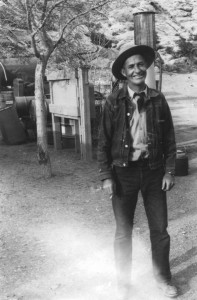
I came to Moab and became a seasonal ranger at Arches just a couple of years after Bates retired, so I never had the chance to work for him. But stories about Bates lingered for years after he hung up his uniform and took up ranching in Professor Valley.

As a rookie ranger who had no idea what he was doing, the idea of the superintendent coming to pay me a personal visit would have struck terror in my soul. But that is exactly what happened more than once to young seasonals who came to work for Bates. And even better, his visits were as far removed from a terrorist experience as any hapless seasonal could imagine.

Typically, one morning at the Needles section of Canyonlands, the district ranger stopped by the quarters of two recently-hired trail maintenance workers to inform them that Superintendent Wilson was on his way down from Moab to see them.

“What did we do wrong?” one of them asked feebly.

The district ranger just shrugged and said, “I guess you’ll find out when he gets here.”

The two underlings searched vainly for clean uniforms and were determined to convince the superintendent they were good employees, no matter what else he might have heard. They were busy working up a sweat when they saw the pickup truck pull up at the trail head.
It was Bates.

“What are you fellas all dressed up for,” he chuckled. “You’re just gonna get dirty again.”

Bates pulled a shovel out of the bed of the truck, pulled his dirty straw Stetson over his eyes, and went to work on the trail, shoulder to shoulder with his two young seasonals. He stayed all day on that trail project, and went quitting time came, Bates put away the shovel and pulled out his Dutch ovens. The boys never ate better.

He camped the night with them under the stars and went back to Moab the next morning. “I just like to know the people I’m working with,” he explained to these new Friends of Bates.

You had to look real hard to find the hierarchy of the Bates Wilson administration at Canyonlands. One of Bates’ dearest friends was Dutch Gerhardt, an NPS heavy equipment operator and a man who said what was on his mind. It was a quality Bates admired and respected; it’s why they were such good friends.

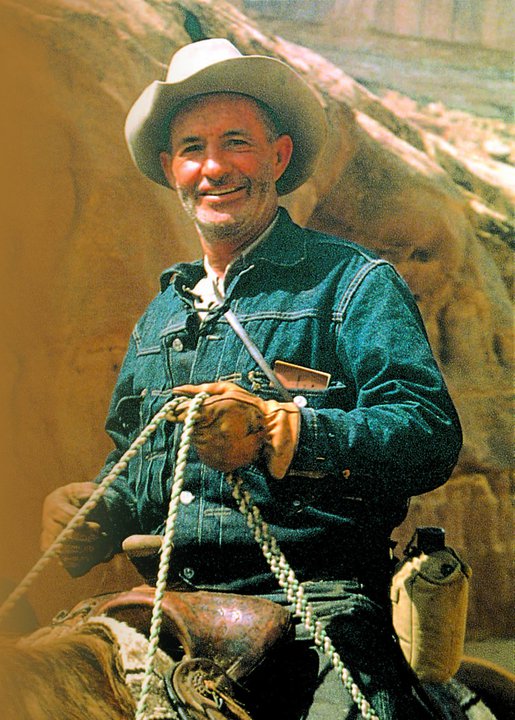
Not all Park Service managers appreciate candor and an NPS administrator named Bill Briggle was just that type of a guy. But Bates could get along with just about anybody…or at least tolerate them…and so, on one of his famous pack trips into the Great Red Unknown, he invited Briggle to join Secretary of the Interior Stuart Udall and himself on a multi-day excursion. Riding with them, as he often did, was Dutch.

They had been riding all day, and as the sun dropped below the canyon rim, they decided to make camp. As Bates unsaddled his horse, he turned to his old friend and said, “Gather up some firewood, Dutch. I’m going to be needing it pretty soon.”

Dutch squinted at Bates coldly and said, “Go to hell. I’m off the clock now. You can get the damned wood yourself.”

Briggle sprang to his feet, bristling with officious indignation, stepped between the horses and came right at Dutch.
Dutch didn’t move. It was almost hard to tell that he noticed this sudden intrusion into his personal space. The truth is, Dutch looked bored.

“Mr. Gerhardt!” Briggle sputtered, “Mr. Wilson is the superintendent of this park and he is your supervisor! When Mr. Wilson tells you to do something, you do it! You don’t question his instructions, you don’t ignore them, and you certainly don’t behave like this! YOU JUST DO IT! Do I make myself clear?”

Briggle’s face was the color of the rock. The veins bulged and throbbed at his temple and alongside his neck. Dutch looked into his eyes. Deeply.

“Screw you Briggle,” said Dutch. He turned to his supervisor. “Screw you Bates.” And then he turned to the Secretary of the Interior of the United States of America. “And screw you Udall…and the mules you rode in on.”

Dutch spit softly on the ground, gave Bates a wink and lumbered off to take a nap. Briggle stood there in the sand, shaking violently in the late afternoon light.  Bates and Udall were shaking violently as well—they were both laughing so hard they were gasping for breath.
Bates didn’t think much of hierarchy.

Jim Stiles

To peruse all ZBlog posts, click on ‘The Zephyr’ at the top of the page.

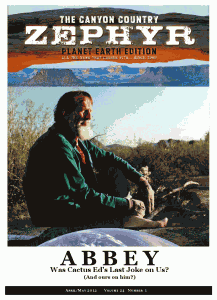
To read the Apr/May Zephyr, click on the cover below:

Posted in Uncategorized.

Tagged with , , , , , , .


(from the current Z) ‘TAKE IT OR LEAVE IT’ —Stiles

(an excerpt)

“HE WHO LEARNS MUST SUFFER…”

My Sorrowful History of Winter Camping & the Pursuit of Warmth

“He who learns must suffer…”  —Aeschylus

Ever since humans shed their fur and felt the warmth of a lightning-caused fire and realized that if they could keep the flame alive, they could avoid the brutal cold forever, we’ve spent a good portion of our time in pursuit of that goal. For those of us who reside in the “modern world,” the effort to stay warm is as challenging as turning the dial on the thermostat. But before gas furnaces and heat pumps and electric radiant heat and solar collectors, staying warm could be a full-time job. If any of you has ever tried, at least for a while, to stay warm with a wood fire and a good cast iron stove, you know the challenge. The work never ends. There’s never enough fuel and the fire always dies at three in the morning. But for most Americans, at least, even that chore is only something to be read about—“Honey, turn up the heat,” is all we need to do to stay warm.

But there are a few of us, driven by forces that can’t quite be explained, who possess a willingness to suffer and display an utter lack of common sense that causes us to abandon these comforts and deliberately seek the misery of sub-freezing temperatures. I’ve been doing this for years and still dabble in self-inflicted misery from time to time. It’s called ‘winter camping.’

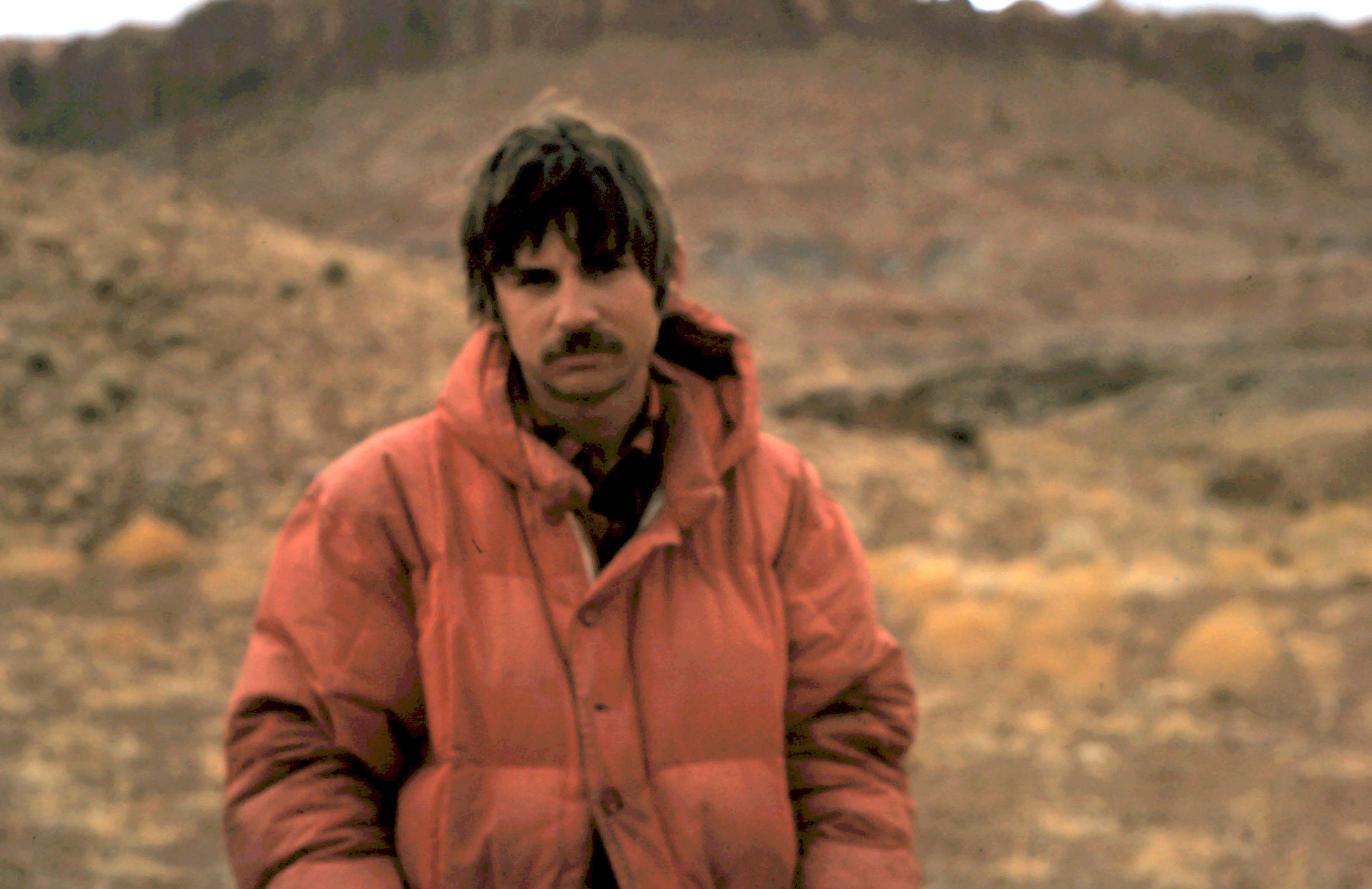
TO READ STILES’ ENTIRE RANT ON ALMOST FREEZING TO DEATH, CLICK HIS SORRY-LOOKING PHOTO.

middlemoody

TO READ THE CURRENT ISSUE OF THE Z, CLICK HERE:


Posted in Uncategorized.


NO JOKE…THE ZEPHYR NEEDS YOUR HELP.

arch-sign2   July 2013

 THE ZEPHYR/PLANET EARTH EDITION

NO JOKE…WE NEED YOUR HELP NOW.

cover-ap12aThe Zephyr has never had so many readers and so few financial supporters. Since we re-vamped our web site two years ago, The Zephyr readership has expanded 10 fold and the feedback is encouraging. At the same time our revenues continue to dwindle. We know, in some ways, we are our own worst enemy—The Zephyr does not accept corporate funding, nor do we depend on massive gifts from rich individuals. We don’t get advertising from national chains and we don’t charge a penny for you to read our publication.
All we can do is depend on our readers and like-minded businesses to keep us afloat. If we could find 200 Zephyr friends to contribute $50 each a year, or maybe 30 new businesses to sign on at the minimum level, we’d be okay.

But as we approach the 25th anniversary of The Zephyr next March, we are struggling. It’s our intent to keep going beyond 25, as long as there is an interest and the support. In this 21st century world of corporate media and dumbed-down journalism, if you think a fiercely independent, combative, intelligent publication like The Z is worth keeping alive, we need your help now.

Thanks,
Jim & Tonya Stiles

Here are some of the ways you can support The Zephyr…at whatever level works for you.

THE BACKBONE…..
1 YEAR/ $100…..3 YEARS/ $275…LIFETIME/ $1000
THE BB5.0….$50…..THE BB2.5…$25…..THE BB1.0…$10

bnw-tooncover


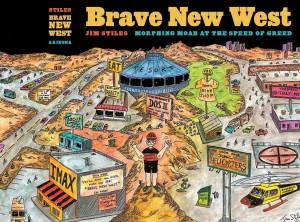
New & Renewing Backbone Members at the $100 level (or higher) receive a signed copy of Stiles’ “Brave New West: Morphing Moab at the Speed of Greed.” 

(And the cartoon of course…for the strong & the brave)

We are also looking for A FEW GOOD ADVERTISERS!  with new very low rates. As low as $150 a YEAR.

Contact Stiles for rates. cczephyr@gmail.com
You can pay with your credit card and PayPal at our website–
(click this link:)  
Or we are happy to accept your checks:    
PO Box 271,  Monticello, UT 84535


Thanks again and keep reading…
arch-storm2A


Posted in Uncategorized.


(YouTube) ‘Isn’t that a coincidence..Harvey happens to be my name.’

http://www.youtube.com/watch?v=IYU6mSIF8ww

Posted in Uncategorized.


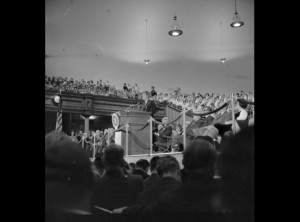
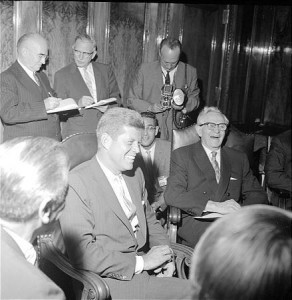
When JFK Came to Utah (and how it helped end the Cold War) —Stiles

(From the 2007 Archives)

When I see President Bush address a crowd of people, we can all be sure the audience was screened and re-screened before they ever got inside the venue. President Bush doesn’t handle dissent too well these days, though to be fair, I’d bet the next Democratic president takes the same way out. Facing a hostile crowd, acknowledging and confronting an opposing opinion, has become an antiquated notion for many, when in fact, it’s an essential part of the decision-making process. President John F. Kennedy understood that better than most.

In the wake of the Cuban Missile Crisis, Kennedy was determined to ease tensions between East and West. Both he and Khruschev knew they’d come within a hair’s breadth of a total nuclear war that could have killed hundreds of millions of people in both countries. Kennedy and Khruschev wrote long and emotional letters to each other over the next few months and Kennedy, each expressing their own fears and worries for the future.

In the summer of 1963, the two leaders proposed a nuclear test ban treaty that would forever end above-ground nuclear explosions. It was a small step for both countries but an important one. But Kennedy knew he could not hope to easily reverse the Cold War mentality of most Americans. “Peace through Strength” was the Air Force motto and who could argue with that? To cooperate with our enemy was to appease our enemy—that could only lead to disaster.

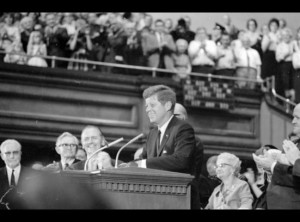
Kennedy had to change that mindset. He decided to make his case in the most conservative state in America—and he did it in the Mormon Tabernacle in Salt Lake City.

Here are some excerpts:

I know that many of you in this State and other States sometimes wonder where we are going and why the United States should be so involved in so many affairs, in so many countries all around the globe. If our task on occasion seems hopeless, if we despair of ever working our will on the other 94 percent of the world population, then let us remember that the Mormons of a century ago were a persecuted and prosecuted minority, harried from place to place, the victims of violence and occasionally murder, while today, in the short space of 100 years, their faith and works are known and respected the world around, and their voices heard in the highest councils of this country.

From the beginning of this country, from the days of Washington, until the Second World War, this country lived an isolated existence. Through most of our history we were an unaligned country, an uncommitted nation, a neutralist nation. We were by statute as well as by desire. We had believed that we could live behind our two oceans in safety and prosperity in a comfortable distance from the rest of the world. The end of isolation consequently meant a wrench with the very lifeblood, the very spine, of the Nation. Yet, as time passed, we came to see that the end of isolation was not such a terrible error or evil after all. We came to see that it was the inevitable result of growth, the economic growth, the military growth, and the cultural growth of the United States.

We must first of all recognize that we cannot remake the world simply by our own command. When we cannot even bring all of our own people into full citizenship without acts of violence, we can understand how much harder it is to control events beyond our borders.

Every nation has its own traditions, its own values, its own aspirations. Our assistance from time to time can help other nations preserve their independence and advance their growth, but we cannot remake them in our own image. We cannot enact their laws, nor can we operate their governments or dictate our policies.

We must recognize that foreign policy in the modern world does not lend itself to easy, simple black and white solution. If we were to have diplomatic relations only with those countries whose principles we approved of, we would have relations with very few countries in a very short time. If we were to withdraw our assistance from all governments who are run differently from our own, we would relinquish half the world immediately to our adversaries. If we were to treat foreign policy as merely a medium for delivering self-righteous sermons to supposedly inferior people, we would give up all thought of world influence or world leadership.

For the purpose of foreign policy is not to provide an outlet for our own sentiments of hope or indignation; it is to shape real events in a real world. We cannot adopt a policy which says that if something does not happen, or others do not do exactly what we wish, we will return to “Fortress America.” That is the policy in this changing world of retreat, not of strength.

More important, to adopt a black or white, all or nothing policy subordinates our interest to our irritations. Its actual consequences would be fatal to our security. If we were to resign from the United Nations. break off with all countries of whom we disapprove, end foreign aid and assistance to those countries in an attempt to keep them free, call for the resumption of atmospheric nuclear testing, and turn our back on the rest of mankind, we would not only be abandoning America’s influence in the world, we would be inviting a Communist expansion which every Communist power would so greatly welcome. And all of the effort of so many Americans for 18 years would be gone with the wind. Our policy under those conditions, in this dangerous world, would not have much deterrent effect in a world where nations determined to be free could no longer count on the United States.

Kennedy was stunned by the response. His speech received a standing ovation. If Utah could understand and embrace Kennedy’s efforts for peace, surely the rest of the country would as well. The Mormon Tabernacle event gave JFK the confidence he needed to make further gestures of peace and goodwill to the Soviet Union. It may have been one of the last bright moments in a young life that would be cut short, just eight weeks later in Dallas.

But it did prove that honesty and courage and frankness still had a place in American Life, that a liberal president could make his case before a conservative audience, and that he could be given the benefit of the doubt, whatever their political leanings might have been going into it.

Can you imagine either of our political parties being that broad-minded today? And yet, in so many ways, an honest conversation is exactly what we need.

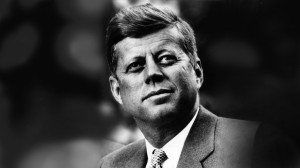
PHOTO CREDITS:  justiceforkennedy.blogspot.com

ALSO. CUT & PASTE THIS STORY IN THE DESERET NEWS ON THE 45TH ANNIVERSARY OF JFK’S UTAH VISIT: http://www.deseretnews.com/article/705265076/JFKs-Utah-visits-chronicled-on-Web.html

AND this YouTube link to the audio of his SLC speech:

http://www.youtube.com/watch?v=AV39W7GBktk&feature=results_video&playnext=1&list=PL7F0D35481C21F820


The Feb/Mar Z (click the cover)

Posted in Uncategorized.


‘The Brighter Side of Global Warming’ (from the 2007 archives)

Some things in life are bad, they can really make you mad, Other things just make you swear and curse,

When you’re chewing life’s gristle, don’t grumble, give a whistle, And this’ll help things turn out for the best.

And…Always look on the bright side of life.

Eric Idle


In Australia, when Life gets hard, my mates like to say, “never mind…she’ll be ‘right,” even though they often know they’re lying through their beer soaked teeth. And so, on this occasion, I choose to sound an optimistic, even painfully cheerful note on the coming global catastrophe, as I drain the contents of my last Foster’s.
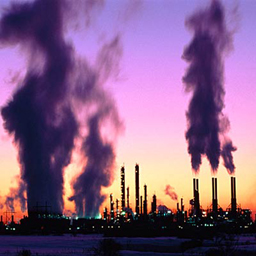
Or…as Alfred E. Neuman has proclaimed for more than half a century: “What? Me worry?”

Everything will be fine. Not bad. Just…different.
Yes…please spare me the details. Of course, global warming will cause dramatic climate shifts and yes, it’s true, the developing nations, the poorest on the planet, will suffer far more than the rest of us. And indeed, global warming, driven by continued population growth and an ever-expanding, consumptive world economy will destroy much of what’s left of the natural world, crush the human cultures of those few civilizations not yet totally infected by the culture of Greed and Stupidity, and leave the planet stripped of its natural and human diversity, in ways we cannot even truly imagine.

Isn’t that the idea? Already, even in the mainstream media, voices in favor of global warming are starting to be heard. When you’re losing the war, Benedict Arnold once said, simply switch sides. And those embracing the inevitable are even being called progressive by the likes of NEWSWEEK. That honored publication observed recently that, “with further warming seemingly inevitable, the farsighted are already thinking beyond combating climate change. By government fiat or market force, humans will adapt, and that will bring opportunities as well as challenges.” Farsighted, indeed.

It notes that, with rising temperatures, “Russia, long a half-frozen terra incognita, will find its interior frontiers thrown wide open as the Siberian tundra turns to fertile prairie.” Of course, the lower latitudes of the planet will be scorched, “but America and other rich nations will be left relatively unscathed, because they are removed from equatorial regions that will be hardest hit, and wealthy enough to adapt.”
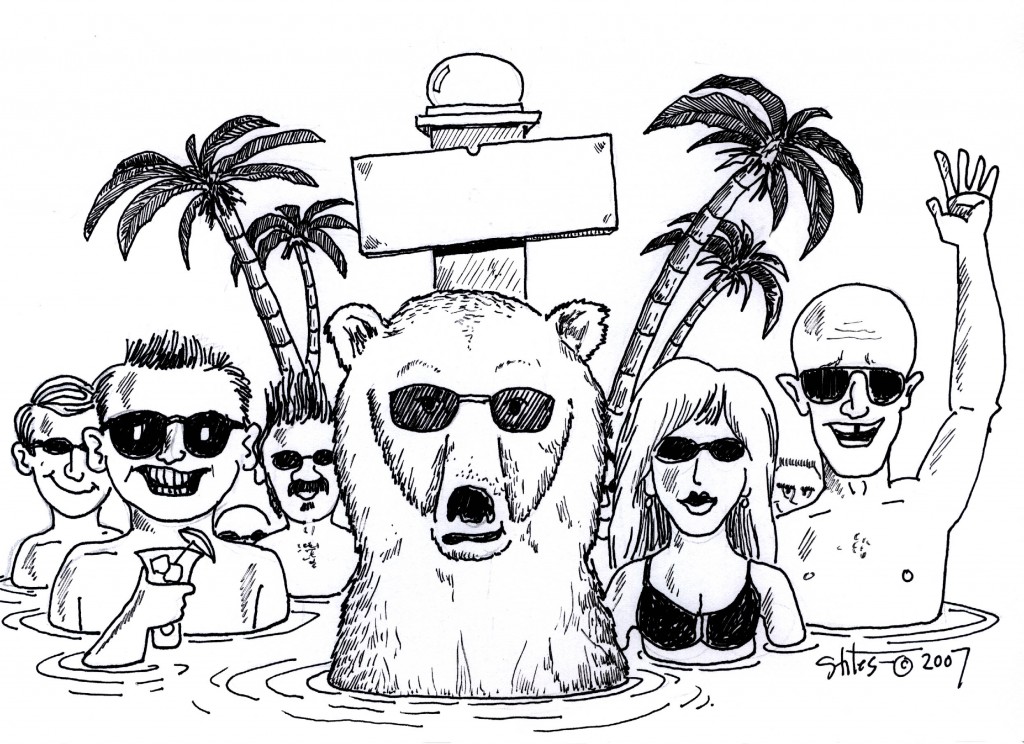
 

According to NEWSWEEK, even parts of last year’s otherwise chilling report on global warming shined some happy light on the issue. British economist Nicholas Stern reported, “In higher latitude regions, such as Canada, Russia and Scandinavia, climate change may lead to net benefits through higher agricultural yields, lower winter mortality, lower heating costs and a possible boost in tourism.”

So while working on our Miami tans may become a bit too uncomfortable in the future, we can look forward to beach side colonies on Hudson Bay. Ski resorts, threatened with the loss of their livelihoods are already examining the options— one cheerful optimist sees olive groves replacing his snowy slopes. From converting ski resorts to spa resorts, the great entrepreneurs of our world will find a way to spin a silk purse from this slightly singed sow’s ear.

And what about those billions who already live on the edge of poverty in the areas to be most devastated by the effects of global warming? NEWSWEEK gets a bit vague. But certainly, when the masses move north, those spas are going to get a tad crowded.
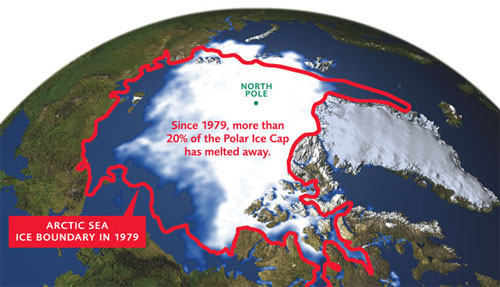
 

More good news. We’ve heard that the polar regions are melting and that the polar bears may be out of ice in a few decades. It’s a pity for the bears, to be sure. But what about the benefits to international trade? According to Alaska Business Magazine, “…increasingly, Alaska may find potential trade and economic benefits from global climate change. According to Mead Treadwell of the Northern Forum, sea routes across the top of Russia will soon become practical alternatives to shipping freight from the Pacific Rim to Europe…In addition, receding sea ice is slowly showing hints of a long-sought-for Northwest Passage, through the archipelago of Canada’s far north. Alaska stands at the crossroad of these new trade routes.” Treadwell cautiously added, “However before cruise ships or freighters ply these routes regularly, strong political obstacles must be overcome.”

Those pesky political obstacles! Now that the most imposing obstructions are about to melt away in a warm breeze, the politicians can debate trade routes and permitting fees and gross tonnage and net revenues. The shorter route will benefit us all; imagine the shipping cost savings to be had on our Chinese-made products. All of that stuff that we want and think we need will reach us even quicker. And they’ll be able to send us even more.

But what about those rising oceans? No worries. Most experts believe it will take a century before they seriously threaten any developed city and those low-lying areas of the Third World will just have to fend for themselves. Many environmentalists claim that warming water temperatures and an expanding human population will deplete much of the world’s fish stocks by mid-century. Does that mean we’ll have to give up Fish Fridays? Not at all.

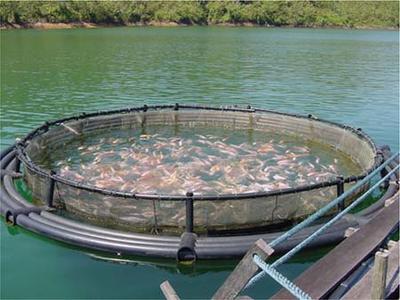
In Japan, entrepreneur Akito Yamamoto has developed a way of growing blue fin tuna in tanks. Japan already consumes 80% of the world’s blue fin catch and as more countries develop a taste for sushi and sashimi, the sea grown tuna are in jeopardy of vanishing. But Yamamoto has developed a process that should keep the world from ever having to live without sushi. In 16 foot diameter tanks, kept at a constant 70 degrees, 15 tuna swim against an artificial current that is supposed to mimic the ocean. A tuna must keep moving to breathe and can cross the Atlantic in 50 days, so these fish just swim endlessly in tight circles, hour after hour, day after day, for about three years, until they’re big enough to eat.

The rest of the world will no doubt take note of Mr. Yamamoto’s success as other fish vanish from the seas..
 

And what about the rest of the natural world? Aren’t scientists calling this the Fifth Great Extinction? Or is it the Sixth? Who can keep track? They claim that much of the fauna most familiar to us could be gone by the end of the century

Gone? Extinct? I don’t think so. Human technology will find a way to maintain at least representative numbers for most of these threatened critters. Could we possibly think that rising temperatures might eliminate the natural world? Look what some sheiks in Dubai recently accomplished. Conflicted by 120 degree temperatures and the overwhelming desire to go snow skiing, they built an indoor ski resort.

You can’t argue with success. Expect indoor zoo/theme parks like this to flourish in the centuries ahead. We’ll see massive enclosed pavilions that represent all the major habitats of the world. And because they’re impervious to weather, we might be able to see the nocturnal wildlife of the canyon country in downtown Berlin. Or the great raptors of the Andes in Chicago. It really is a brave new world.

What else…we’ll certainly find a way to replace all those honey bees that are disappearing from the planet. Perhaps they’ll develop a robotronic version of many threatened animals to maintain the “balance of nature.” That will free up the remaining real animals to kick back and enjoy life, without all those annoying worries and responsibilities about “doing the right thing.” Guilt is a terrible thing to endure. It’s why, even now, some kindhearted enviropreneur has invented the Terra Pass. (www.terrapass.com). You can calculate your carbon contribution, whether by car or jet, and then make a payment to…well to somebody, so you won’t feel bad about it anymore.

In the end, it’s clear to see, there are no crises ahead. Everything is going to be just fine. Don’t think of the future in catastrophic terms. Just think of the money that is about to be made. Ultimately, not only will we get what we deserve…we’ll get what we want as well.


For life is quite absurd,  And death’s the final word. …You must always face the curtain with a bow.

Forget about your sin….Give the audience a grin….Enjoy it. It’s your last chance, anyhow.

So,…Always look on the bright side of death,

[whistle]  Just before you draw your terminal breath.

[whistle]


The Dec/Jan Issue (click the cover)

Posted in Uncategorized.


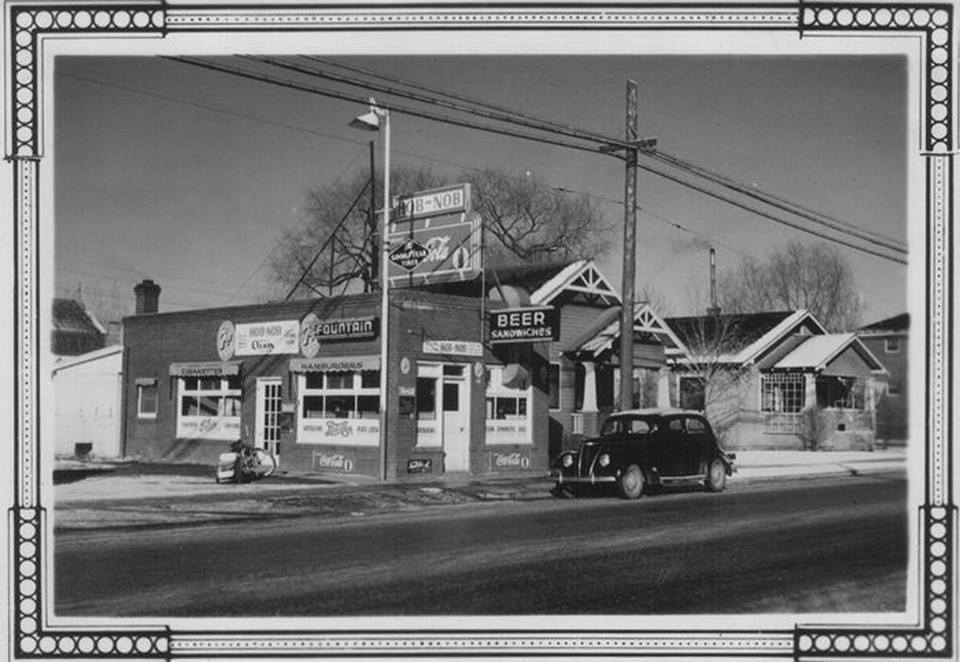
The HOB-NOB Cafe’ on Virginia Street. RENO, NEVADA 1942 —HERB RINGER

405770_592453567446008_701333180_n

Posted in Uncategorized.


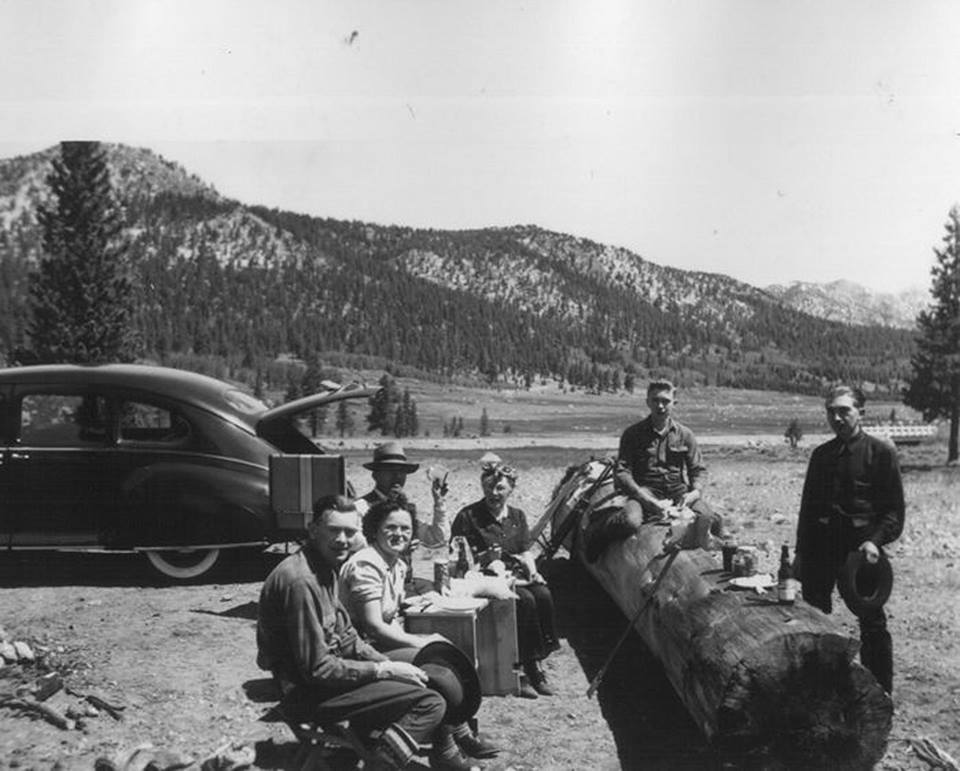
HOPE VALLEY CAMP…1944 –HERB RINGER

945159_592890197402345_327583198_n

Posted in Uncategorized.


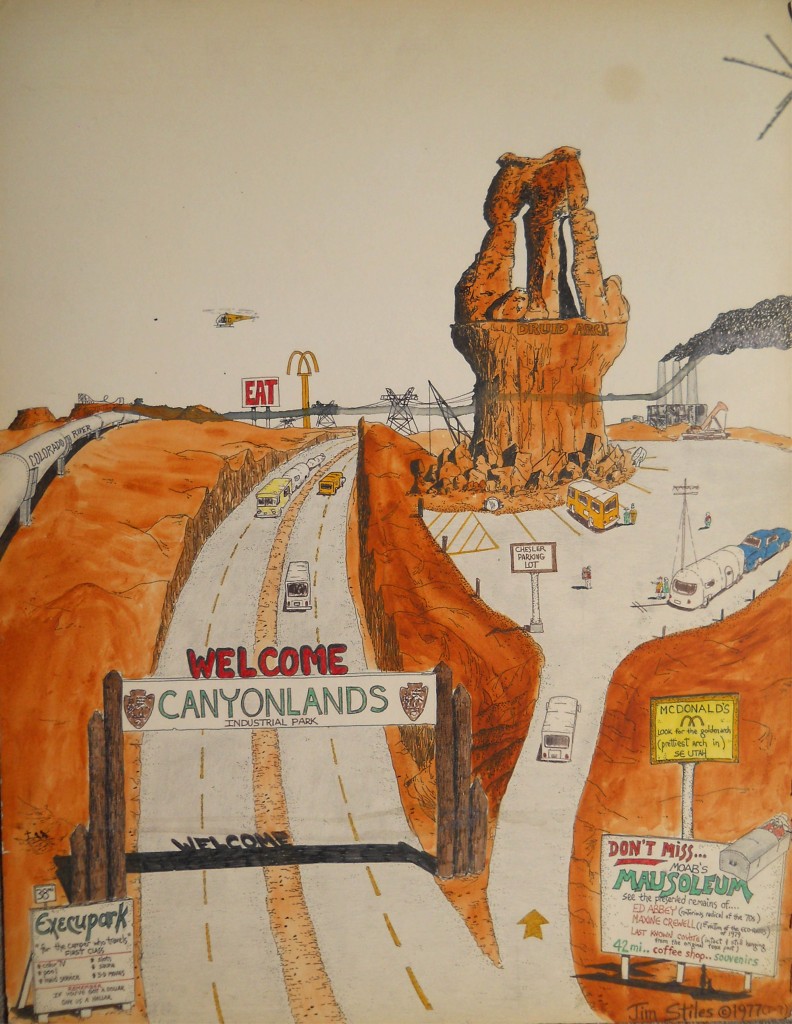
Canyonlands…the Future (By Stiles from 1977)

My Vision of the Future, from 1977

(to enlarge, click the toon)

Does anyone see what I missed?

TO READ ALL ZBLOG POSTS, CLICK HERE

TO READ THE JUNE/JULY Z CLICK HERE

Posted in Uncategorized.

Tagged with , , , , .