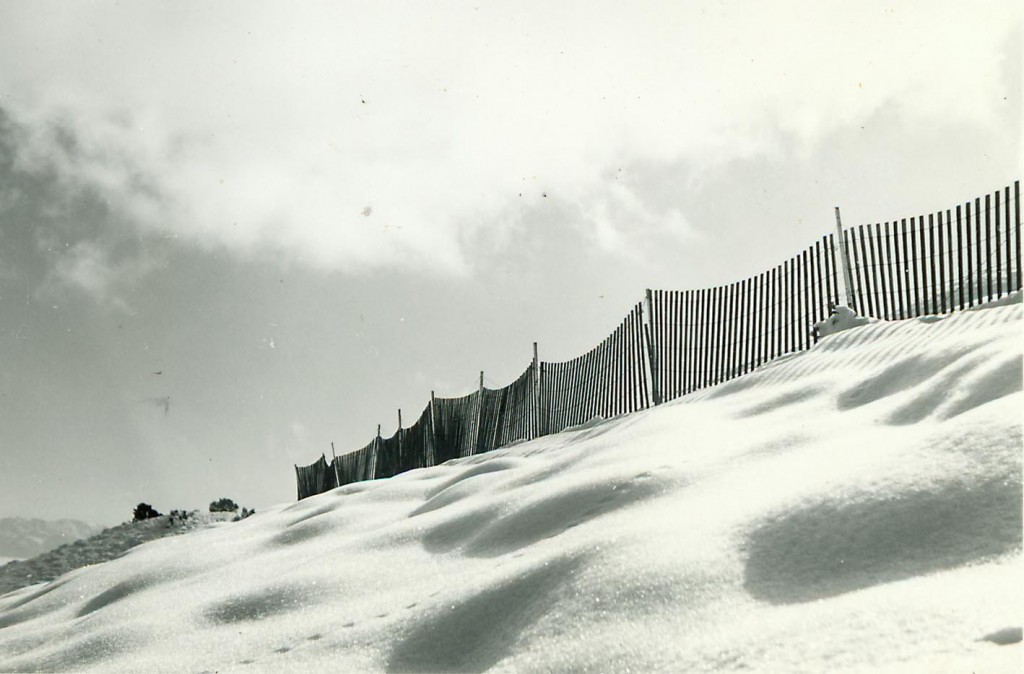
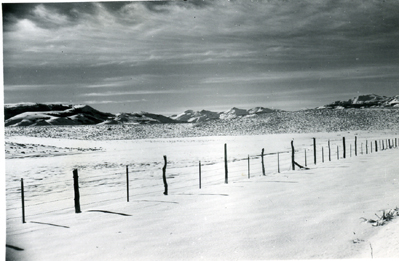
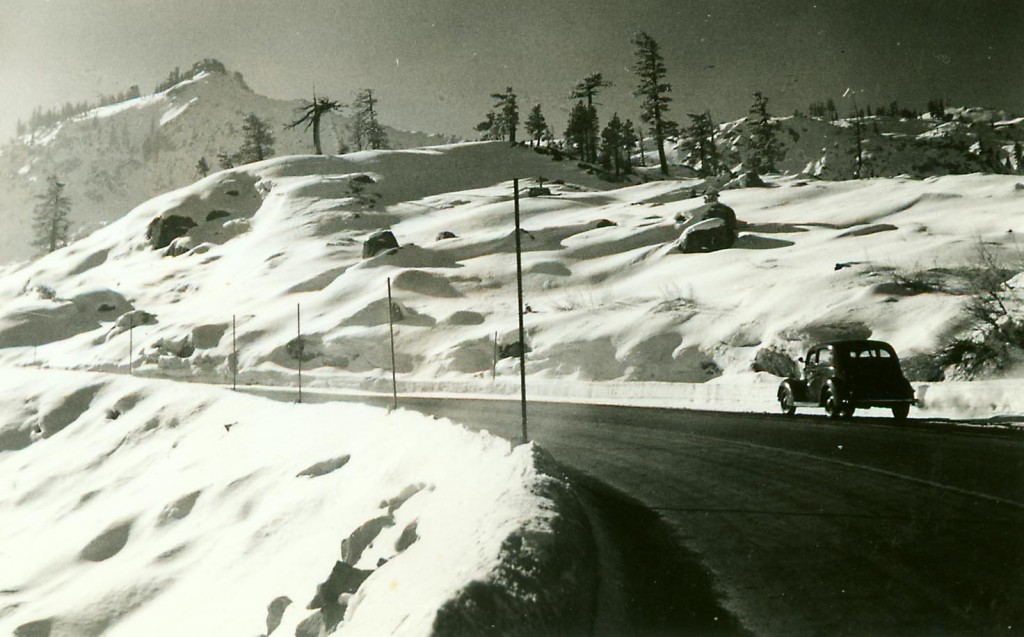
 Near Reno, Nevada in 1941
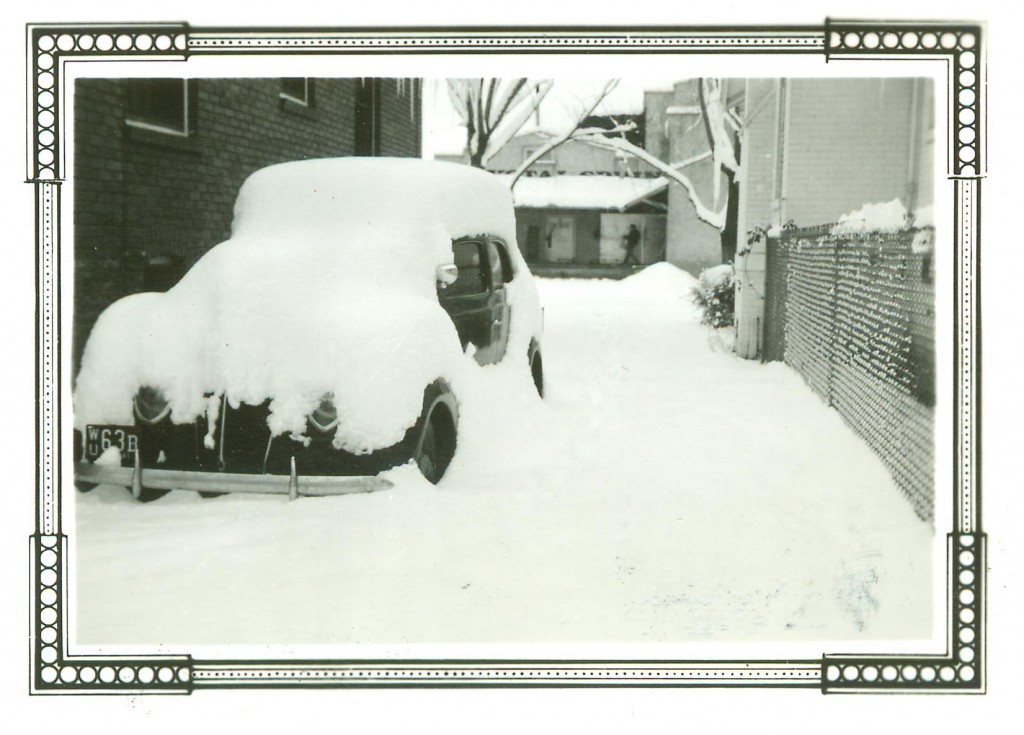
 Herb’s father, Joseph Ringer
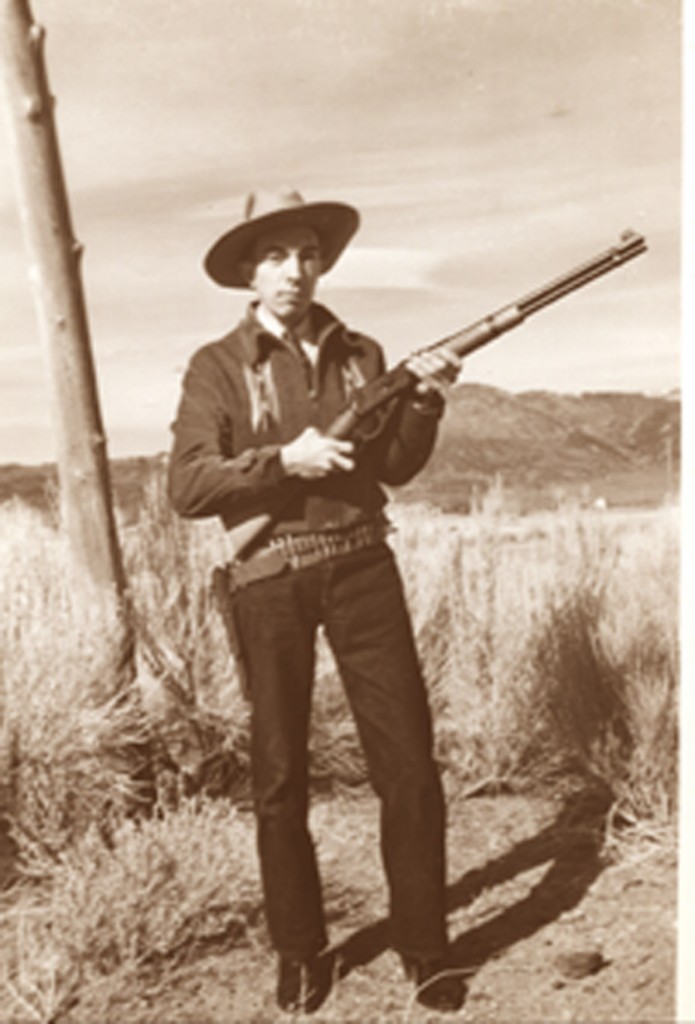 Herb Ringer…1941, heavily armed!
The Canyon Country Zephyr Blog
Near Reno, Nevada in 1941
Herb’s father, Joseph Ringer
Herb Ringer…1941, heavily armed!
Posted in Uncategorized.
rev="post-2743" 1 comment
– February 16, 2012
Freedom is just another word for nothing left to lose.
Kris Kristofferson
I grew up during the cold war. It was a simpler war then… “us”, the good guys and “them” the bad guys. The Roman Catholic nuns told me about our “godless communist enemy” and taught me to hide under my desk to save me from The Bomb. As I grew older I saw that nothing was as simple as it first appears. I began to wonder about the Russians. Who were these people? Why did they want to bomb me? What did they look like? So, in 2004 I made my first trip to Russia. I flew to Moscow, and boarded a train to the city of Perm.
Perm proved to be a good example of a cold war city. Soviet missiles and cannons were produced there. It was a closed city during Soviet times… nobody got in or out. The city didn’t show up on any Soviet maps, to hide it from the US. I was told, proudly, that Perm was target # 13, thirteenth in line to be destroyed by US nuclear missiles. They were proud to be on the list, but wanted to be in the top ten!
Jump ahead to 2009. In Russia, the global economic meltdown that seemed to begin so suddenly, is simply called “The Crisis,” and they blame the United States, specificallyGeorge W. Bush for starting it.
After a period of relative calm between the US and Russia, “The Crisis” has served to revive another anti-American view in Russia. However, with the election of Barak Obama as president, there is at least a wait and see attitude from the
people I met. In terms of economy, the Russians had just gotten back on their feet after the fall of the Soviet Union. The collapse of the USSR had left them broke and confused about their national identity. Ronald Reagan woke up from his nap long enough to demand that the Berlin Wall come down. (“Mr. Gorbachev, tear down this wall.”) For his part, Gorbachev had grossly underestimated the nationalistic pride still felt by the countries held to the USSR by force. It’s hard to hold an empire together by military might and once Moscow could no longer afford to rule by the Kalisnikov rifle, the countries surrounding Russia went their separate ways.
In 2004, the economy of Perm was booming. Eight hundred miles east of Moscow, at the foot of the Ural Mountains, Perm was close to the incredible wealth of natural resources that Russia could sell to the world for the rubles they desperately needed. Oil, mining, timber… all could move through Perm on the Kama river. But, Russia has always had a hard time exploiting this incredible cache of resources.
Here’s a country, eleven time zones from east to west, with little transportation into the vast area east of the Urals. The resources always seem to be just out of reach, unable to be distributed to the rest of the world. Some folks might be happy that the natural beauty would remain intact, but perhaps, not the Russians, so eager to improve their quality of
life.
So, the Russian economy came to be powered by oil. Where Lenin and Stalin used grain to enrich Russia, the post-Soviet economy became all about oil. They could get to it. They could transport it. And there was an insatiable worldwide demand for it. Things were looking up. Putin was popular. Luxury cars and iPhones became available, along with
Starbucks. Russia was back.
Enter “The Crisis”. Gas use plummets worldwide (who could have seen THAT coming?) The price of oil falls drastically. Imports falter. Exports falter. Even the economy of China, a country of billions of consumers at the doorstep of Russia, stumbles.
I returned to Perm in January 2009. Because I am American, I heard a lot of blame about “The Crisis”. Like Americans that I know, the people of Perm are concerned about their jobs and cautious about their spending. The ruble is in a tailspin, food prices are up, gas is $4 a gallon. There are even open protests against Putin’s economic policies.
I live in Kentucky and I’ve been hearing a lot about the devastation this economic tsunami has wrecked on rural Kentucky. I began wondering about the Russians that live outside of their cities. In the US, The “Crisis” seems to have hit people in smaller communities every bit as hard as those in the cities… maybe even harder. Jobs were already
scarce in rural America, even before this meltdown. To take a look at out how “The Crisis” was affecting people in rural Russia, I took a trip to the small village of Elova.
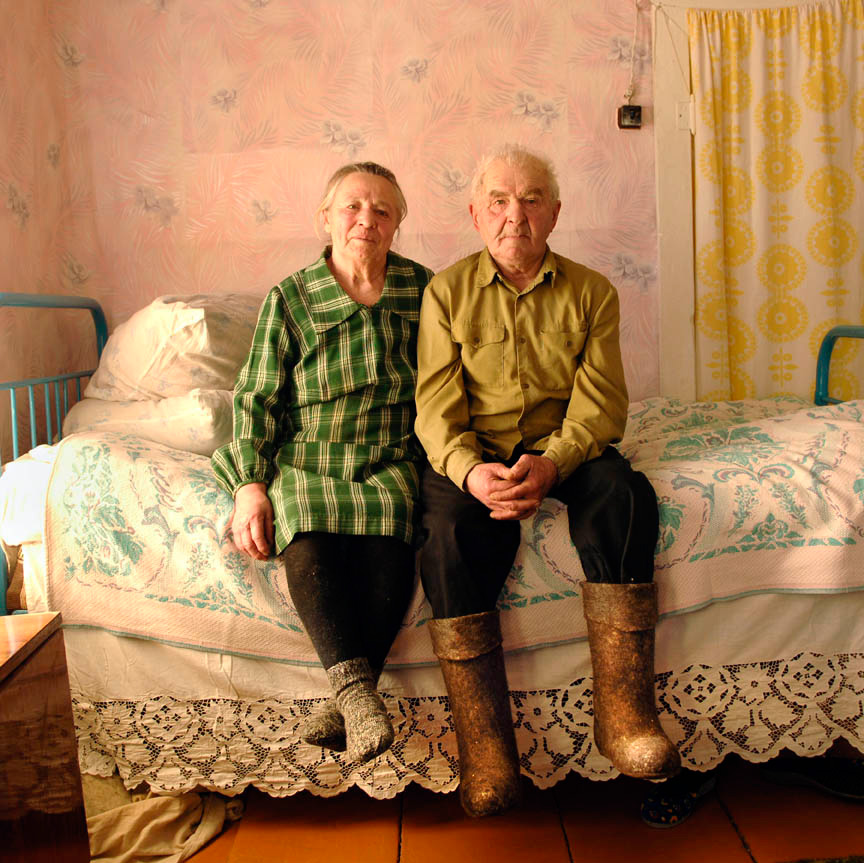
(Elova, Russia- No signs on the few stores lining the main road…few cars, orderly unpainted wooden houses. Stark dark wood against the white snow. Smoke coming from all of the chimneys, a child playing with a dog.) There I met Okulov Ivan Petrovich and his wife Okulova Olga Grigorievna. Not only had they never met an American, they had never met anyone from any other country. In their life they had traveled only as far as Perm, some 200km away. Ivan & Olga are in their mid 80s. They live in a small two room house… a kitchen and a bedroom/dining room, with a large stone stove in the center.
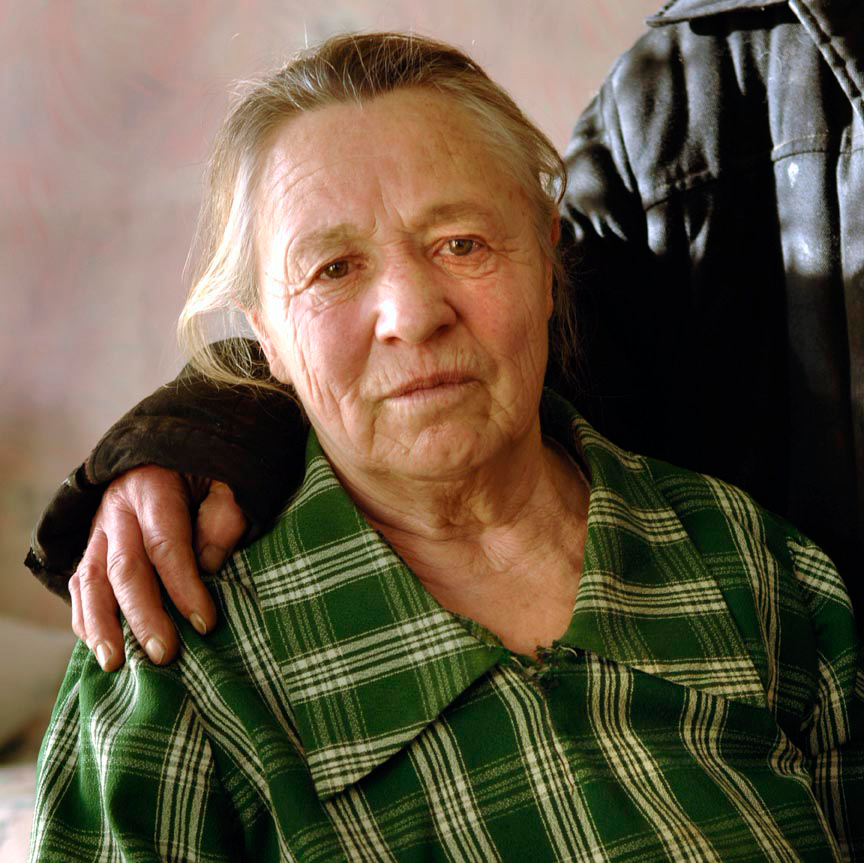
When I arrived, Ivan was outside in the minus 10 degree weather, knee deep in snow, chopping wood. The pile of wood was as tall as his five foot height. I’ve been told that the harsh weather of Russia made the people industrious, hard
workers. Russians couldn’t survive in their environment without constant hard work and that seemed true of Ivan & Olga. They had met as teenagers working in the communal fields of Stalin-era Russia. Ivan ran machinery that harvested grain and Olga did the work by hand. As we sat at the table, covered with homemade jams, borscht, black bread,
meat-filled dumplings called pelmeni and, of course, ice cold vodka, Ivan talked of Elova under Stalin. Their life was only about work, with little to eat. Russians of Ivan’s generation talk about friends dying of starvation, families dying of starvation. Sitting in another kitchen, I listened to a couple that had survived the Nazi siege of Leningrad. I watched
as the elderly woman pulled a small crust from the bread she had baked that morning.
Handing me the bread she said that this was all they would have had to eat, day after day. Sometimes they would steal a potato from the field, slipping it into a pocket.
These conversations put the present economic “crisis” in perspective for me. I asked Ivan, “How can you be in such good spirits, be so content, be so happy after living through all of that? He thought for a moment, smiled and said simply, “We have all we need”.
Olga & Ivan’s lifestyle in Elvoa represents the last vestiges of the communal life of Russian peasantry in which they grew up. The economy of the Soviet village didn’t involve much cash. They were sometimes able to sell regional crafts or clothing. But the commune was primarily about agriculture… growing enough during the summer to survive the long, cold winter.
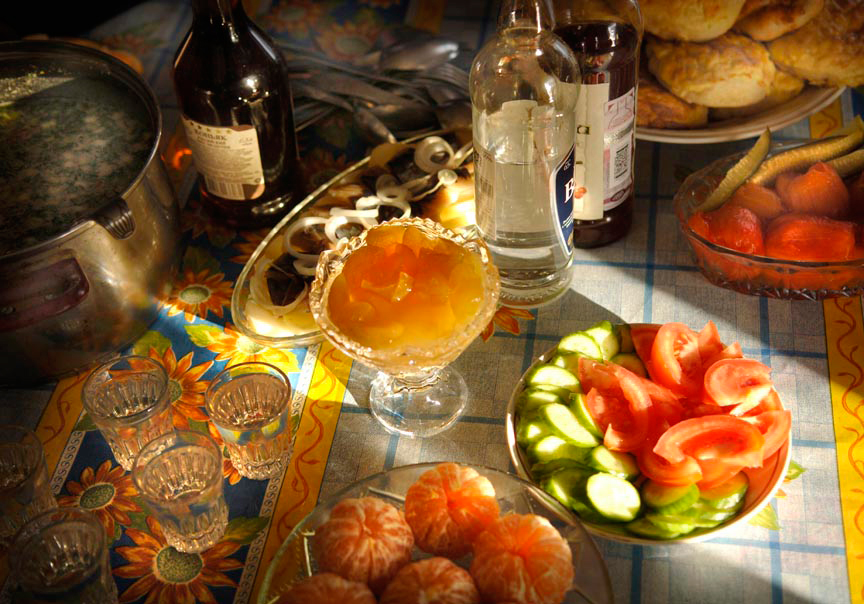
Olga still puts out a large garden in the field next to their house…the vegetables shared by and bartered to their neighbors. This survival against the elements, survival against their government, the struggle to stay alive and sane toughened them. Today’s “Crisis” paled by any comparison.
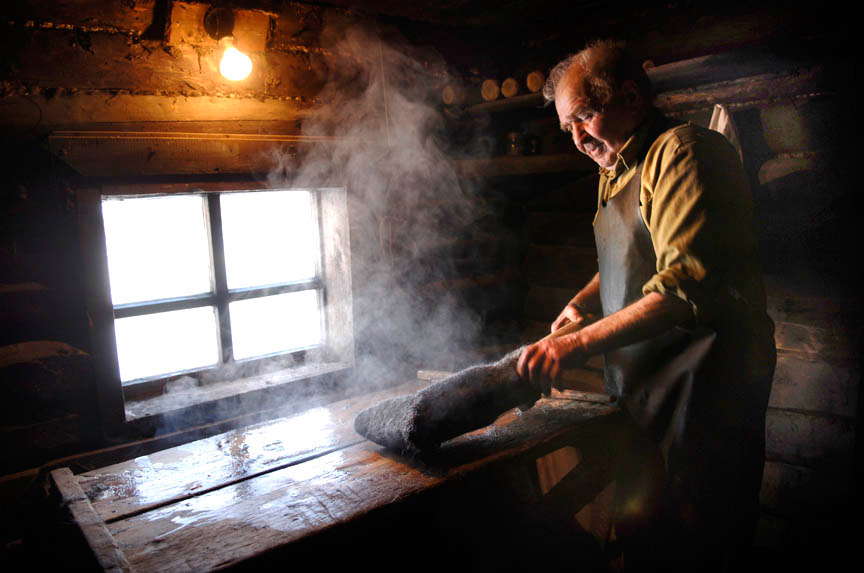
After three or four shots of vodka, Ivan took me to a tiny outbuilding next to his house. Inside was Ivan’s workshop for making the traditional felt boots, valenki, still worn by elderly Russians. Ivan explained that when he was young he watched a 75 year old woman make the boiled wool boots.
He saw it done only once and then spent the rest of his life perfecting the process. The workshop was about 7×7 feet with a ceiling just high enough for me to stand. The room contained a small work table, a wood burning stove to boil the wool, a small window and a single bare light bulb. Handmade tools hung from the walls and ceiling. The room was incredibly hot, a large cast iron pot boiling on the stove.
Olga & Ivan used to raise the sheep themselves, but now, at their age they get the wool from someone else in the village. It’s a special gray/brown wool, high in lanolin. Olga starts the process in the house. Knowing just how much wool Ivan will need for the size of boot that he is making, she combs it until soft and pliable. In a process of boiling, then working by hand, then boiling some more, the boot begins to take shape. It takes an incredible amount of sweating, physical labor. Ivan rolls the wool, pushes the wool.
Every 5 minutes or so the lump of wool is wrapped with a leather strap and placed back in the boiling water. Slowly, using his wooden forms and much labor, the boot begins to take shape. Each pair of boots takes three days to make. Three days! Ivan tells me that one year he made 70 pairs. Ivan doesn’t sell many valenki anymore. The old Russians in the village already have theirs and the young don’t really want them. He recently made boots for three young children of the village, telling me, “How could I not make boots for children”?
Olga & Ivan seem unaffected by “The Crisis”. All economic problems seem far away, left back in the city. They don’t have much, but what they have is enough for them- a warm house, food on the table, their health, and each other. If I’m hearing it right, Russians of Ivan & Olga’s generation just want to be left alone by their government. They’re not starving, they’re not being sent to the gulag, they’re not being forced to work dawn to dusk for no reward, they’re not fighting in a war. They have enough. They have each other. There is no crisis in their world.
As I prepare to leave, we walk outside into the blowing snow. The day is turning crystal blue in the cold twilight. Olga proudly hands me a single, child’s valenki. It’s beautifully crafted, perfectly formed and smells of grain, of the earth. She apologizes that they don’t have a pair for me, as they only found out two days ago that I was going to visit. When I
come back, she tells me, Ivan will make the other boot for me.
Michael Brohm is a russophile. His interest in Russia started in grade school inthe 50s. He reads Pravda online, scans
the New York Times for articles on Russia, emails friends in Russia with questions. As a photographer, he has taken on a project in the Perm region of central Russia, making portraits of people from all walks of life. He has just returned from his 3rd trip to Russia.
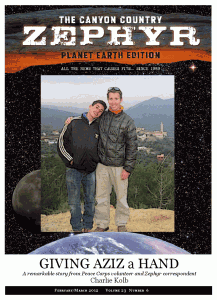
the Feb/Mar Z (click the cover)
Posted in Uncategorized.
rev="post-2722" No comments
– February 16, 2012
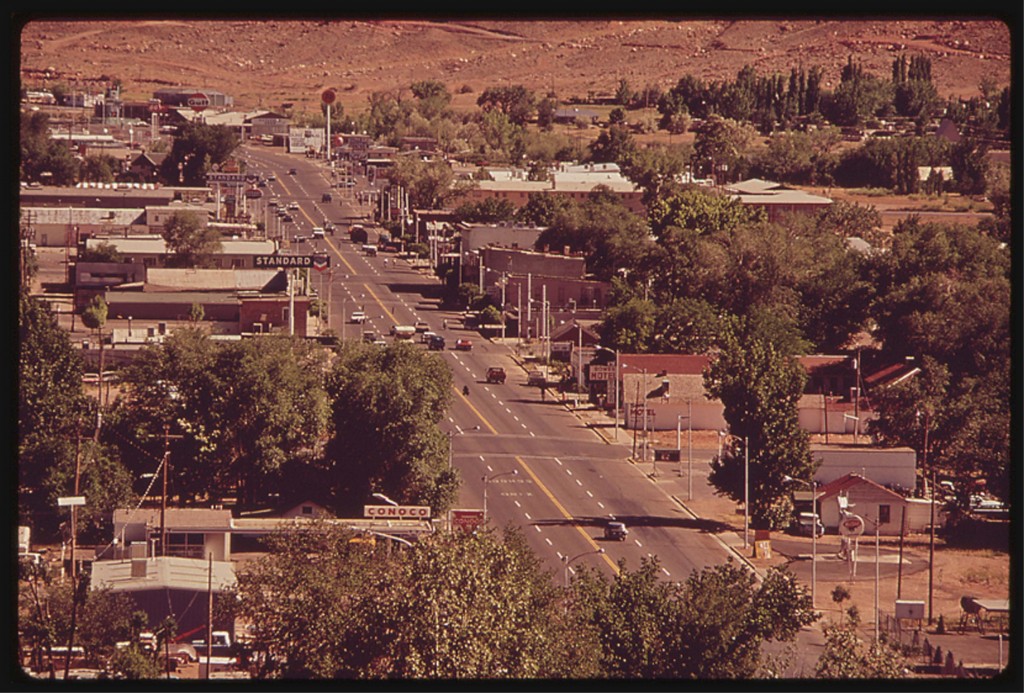
CLICK THE IMAGE TO SEE MORE.
Posted in Uncategorized.
rev="post-5651" 2 comments
– February 15, 2012
It’s interesting to consider that the wild animals we are most determined to protect are the ones we rarely see. Consider the cougar—while there were rare sightings of mountain lions at Arches National Park during my seasonal ranger days, and while I felt happy to know they were out there somewhere, I never saw one.
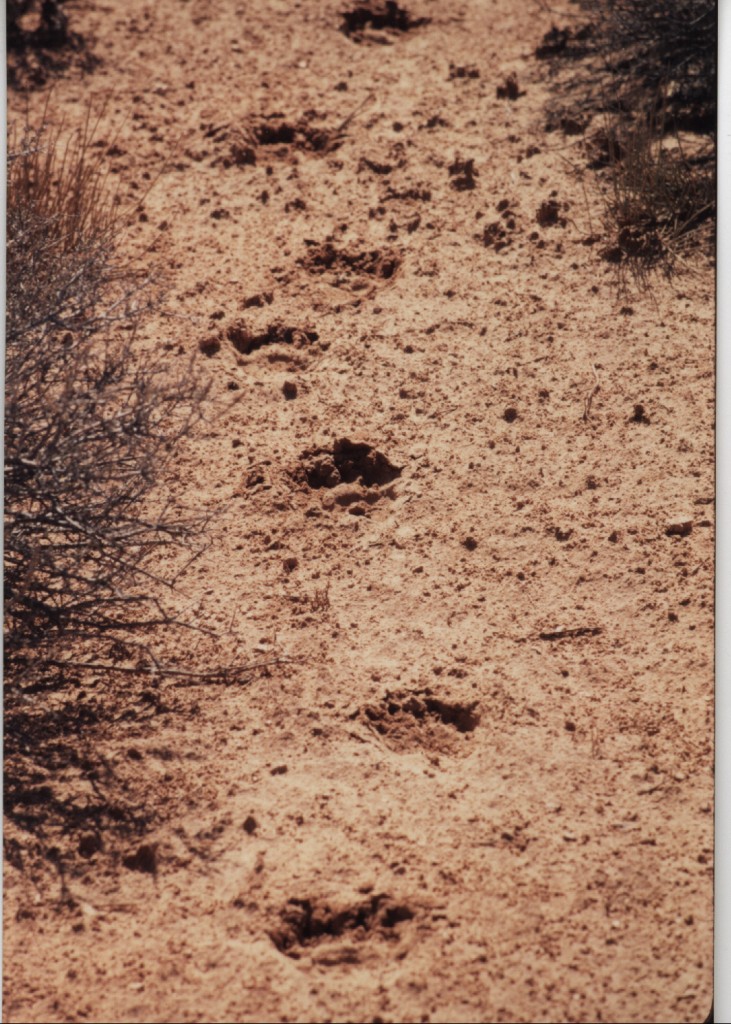
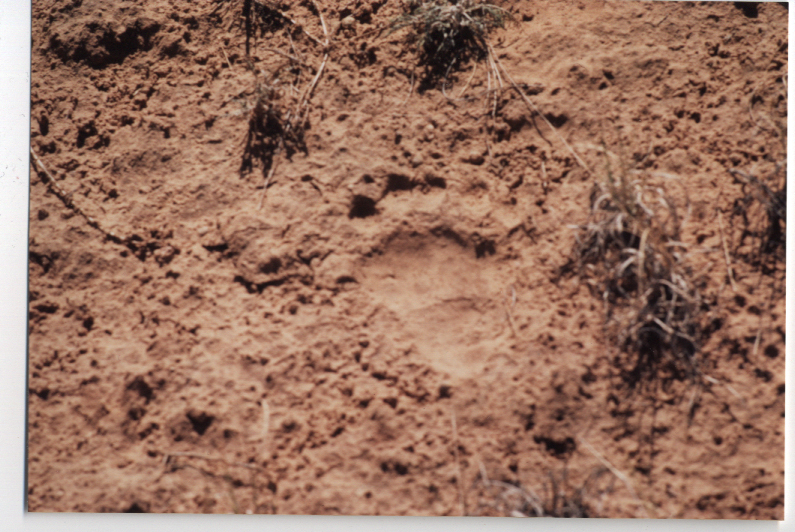
A European tourist once reported a bear at Turret Arch. Skeptical but duty-bound to check it out (my boss made me go), I walked off trail to the area of the reported sighting, expecting to find a large brown dog. Instead, damned if I didn’t find tracks but I never caught up with the bear. I still have the photos of those distinctive footprints. As far as I know it’s the only confirmed case of a bear at Arches.
Bobcats were not quite as rare, though close to it. Maybe twice in a decade, I caught a fleeting glimpse of a bobcat in my headlights during a late night patrol.
But once, I got lucky.
It was my job to hike the major trails in the park and provide “roving interpretation” to the many tourists I might encounter. I was no naturalist but I could fake it to a point. I had not been to Delicate Arch in a couple weeks—after all, it was mid-summer, close to 100 degrees, there is a paucity of shade, and I did not see the point in being as stupid as the visitors who had chosen mid-July to visit our park. Still the obligations of a ranger must be observed.
But when an oversized tourist from East Lansing latched onto me and peppered me with questions about the heat and the wind and rattlesnakes, I explained that my backcountry duties required me to leave the trail and investigate a reported giant scorpion sighting. I knew she wouldn’t want to accompany me.
I crossed the slickrock to a small canyon near the Entrada escarpment that is cut by Salt Wash. I knew it boxed out and I would have to leave the same way I came in, but I was looking for shade and the canyon promised relief from the brutal sun. The canyon stopped abruptly barely 200 yards from the mouth, but I found plenty of cool shade under massive junipers and pinyons that grew through cracks and crevices in massive boulders, some as large as a house.
In the sandy wash, I noticed something odd.
Lying in a pool of fresh blood were four rabbit’s feet. Nothing else. No bones. No ears. Just the feet and the blood. There had been a scuffle but the sand was dry and the tracks indistinct. Someone had been well fed recently, I assumed it was a coyote kill and looked for a place to sit down. I thought I’d climb the talus slope near the head of the canyon and find a good vantage point from which to eat my lunch. I started to pull my way up the rocks when I heard something.
Rrrrmmmm.
What was that? I took another step.
Rrrrrrrrrrrrrrrmmmmmmmmmmm.
Strange. The sound was so indistinct, I thought it might be a jeep at Wolfe Ranch revving its engine. Stupid tourists, I muttered. Another step.
RRRRRRRRRRMMMMMMMMMMMMMMMMMM.
I looked up. Just six or seven feet ahead of me, peering around the boulder, was a bobcat. Her expression was more curious than threatening. Clearly she could see my expression as well.
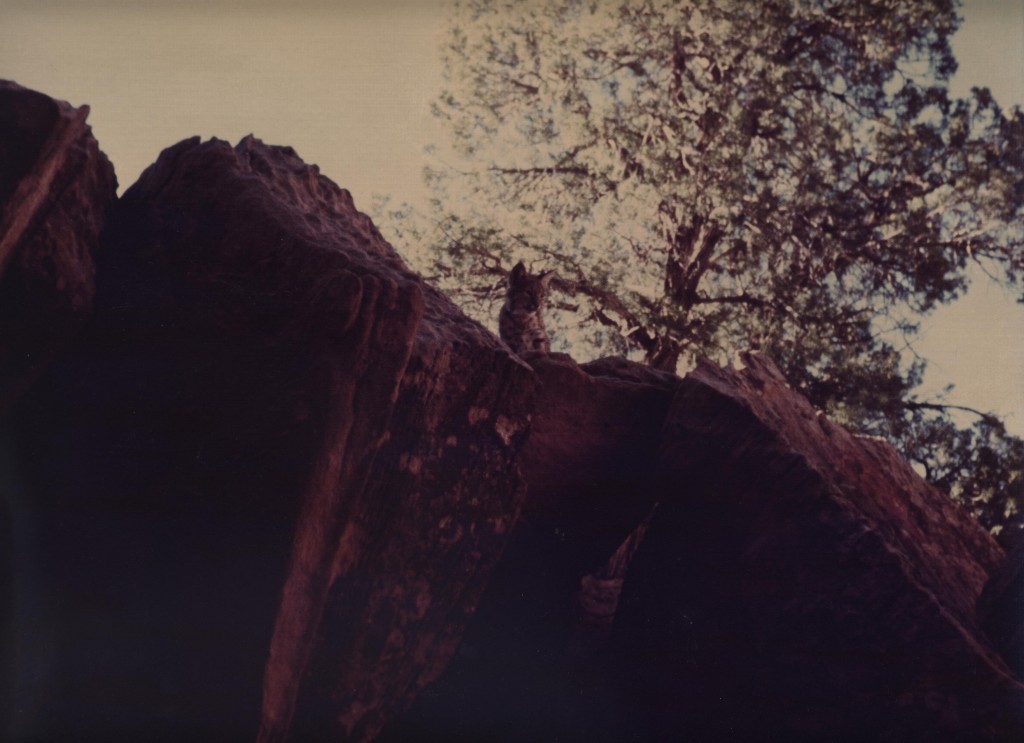
I gave out a little yelp, stumbled backwards, tripped over my own feet and fell into the wash bottom. I looked at the side of the boulder and could not see her. But then, just moments later, she emerged from the shadows and picked a spot on top of the boulder. She calmly sat down, looked at me slowly and blinked.
For the next 30 minutes we started at each other across 30 feet of open space. She posed for photos or at least tolerated me. I ate my apple and my sunflower seeds and drank my ice water and regarded my curious friend. Or was she being protective? I decided she must have a den of little bobcats up there in the rocks and was merely defending the kids. She was not about to let me out of her sight. And I was not about to get any closer, unless I wanted her rrrmmmm to become something more intimidating.
I pulled on my day pack and stood up. She stood up. I walked slowly down the wash and she followed me along the ridge of boulders. Finally she stopped, watched me move into the sunlight, then turned around and disappeared.
Seeing that mama bobcat made my day perfect. Seeing me leave made hers perfect as well.
Feb/Mar Z is online (click the cover)
Posted in Uncategorized.
rev="post-2671" 1 comment
– February 14, 2012
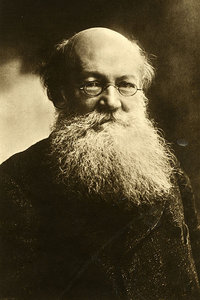
“No one remembers Petr Kropotkin. But his message and his empirical evidence, that cooperation, not competition, is the driving force behind natural selection, that decentralization is superior to centralization in both governance and economies and that mutual aid and social cohesion should be encouraged over massive social inequity and the exaltation of the individual over society is as relevant to the central debates of our time as it was to the debates of his time. ”
Posted in Uncategorized.
rev="post-2628" 2 comments
– February 12, 2012
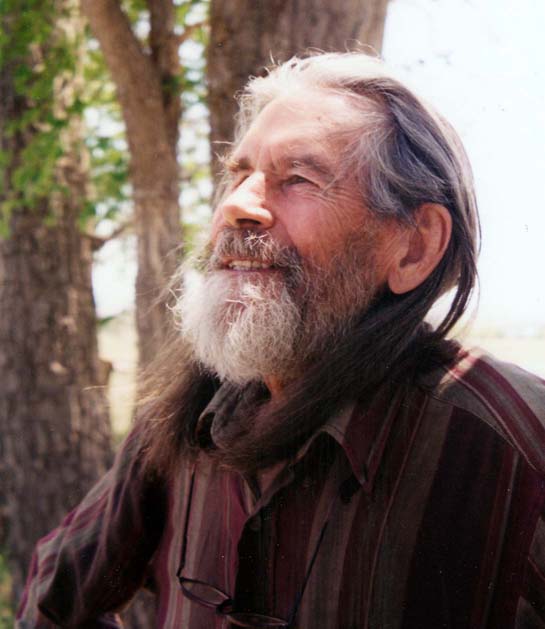 (Click the image to read Martin Murie’s obituary)
“Biologist, teacher, writer, and ranter, Martin called himself a ‘varmentalist.’ He was an activist for nature and wildness and against war and corporate domination. Anyone meeting Martin at a demo, in a classroom, or on the wrong side of a ‘No Trespassing’ sign found right away that his smile was to the core and his readiness to listen and argue was an open invitation. He had a confidence in folks, in the human animal, that kept him up and fighting for justice. ‘Because we are sociable, we work together,’ he said.”
The Feb/Mar Zephyr is ONLINE. Click the cover.
Posted in Uncategorized.
rev="post-2621" 2 comments
– February 12, 2012
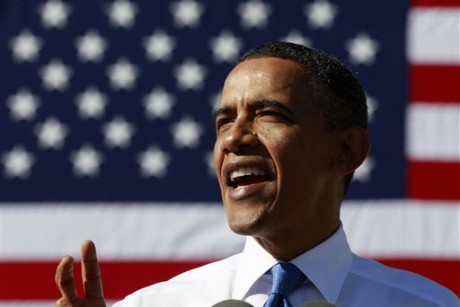
(click photo to read the entire story)
“Repulsive liberal hypocrisy extends far beyond the issue of Guantanamo. A core plank in the Democratic critique of the Bush/Cheney civil liberties assault was the notion that the President could do whatever he wants, in secret and with no checks, to anyone he accuses without trial of being a Terrorist – even including eavesdropping on their communications or detaining them without due process. But President Obama has not only done the same thing, but has gone much farther than mere eavesdropping or detention: he has asserted the power even to kill citizens without due process. As Bush’s own CIA and NSA chief Michael Hayden said this week about the Awlaki assassination: “We needed a court order to eavesdrop on him but we didn’t need a court order to kill him. Isn’t that something?” That is indeed “something,” as is the fact that Bush’s mere due-process-free eavesdropping on and detention of American citizens caused such liberal outrage, while Obama’s due-process-free execution of them has not.”
Posted in Uncategorized.
rev="post-2616" No comments
– February 10, 2012
click picture to read the story
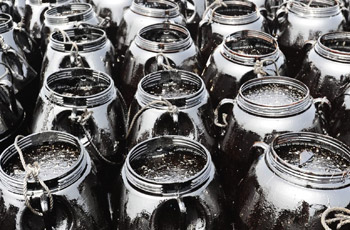
Oil, Food, Water: Is Everything Past its Peak?
By 2030, the global middle class is expected to grow by two-thirds. That’s 3 billion more shoppers. They’ll all want access to goods, including water, wheat, coffee and oil. Is there enough for everybody? Can business satisfy demand and avoid hitting “peak everything?”
Posted in Uncategorized.
rev="post-2611" No comments
– February 9, 2012
http://www.youtube.com/watch?v=rEcMskp-Kp8
“Europe doesn’t care intrinsically about growth. The United States will do all kinds of things do get back to growth…the Europeans care, the Italians care, that the plumber can take August off and go to his house in Sardinia…of course there’s going to be a default. The answer is ‘who cares?'” —-David Bonderman
Posted in Uncategorized.
rev="post-2591" No comments
– February 2, 2012
“Last week, President Obama called the United States “the Saudi Arabia of natural gas” in a speech about boosting domestic energy production. That concerns Wyoming farmer John Fenton, who already has more than two dozen gas wells on his property. The Environmental Protection Agency ruled in December that water contamination in Pavillion, Wyoming, was a result natural gas extraction and the controversial technique known as fracking. ‘Things changed pretty rapidly,’ Fenton says, after fracking took place on his land near Pavillion, and he now has to ship in water for drinking. ‘It didn’t take long to notice significant impacts to the water, the change to smell like diesel fuel. Methane was bubbling in the water. We had neighbors that actually had livestock die from drinking the water.'”
http://www.democracynow.org/2012/2/2/obamas_support_for_natural_gas_drilling#.TysZ812xGEE.facebook
(Click the image to read the story & see video)

The Feb/Mar Issue is ONLINE: Click the cover
Posted in Uncategorized.
rev="post-2576" No comments
– February 2, 2012