Skip to content


(ZEPHYR 2011 ARCHIVES) ‘Census 2010 & the MIGRATION WEST’ —Stiles

The U.S. Constitution, Article I, Section 2, requires a census of the country’s population every decade to apportion the House of Representative seats among the 50 states. Last month, the Census Bureau announced its results.
As of April 1, 2010, the population of the United States was 308,745,53

(Here is the updated number, as of 19:18 UTC (EST+5) Jan 22, 2011:
U.S. 311,936,195)

The figure  represented an increase of 9.7 percent from 2000 when the U.S. resident population reached  281,421,906. While it was noted that the increase was the slowest since the 1930s, it still meant that there are 27 million more of us than a decade ago, all living in the same space, though the distribution has shifted dramatically. Here in the West, the population grew by 8,747,621.
In the arid American Southwest, the numbers are striking

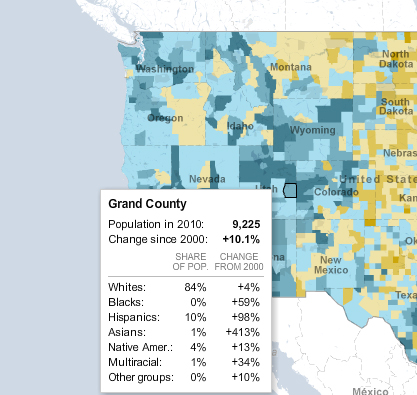
Utah: 23.8% growth to 2,783,885 from 2,333,169 in 2000
Arizona: 24.6% growth to 6,392,817 from 5,130,632 in 2000.
Nevada: 35.1% growth to 2,700,551 from 1,998,257 in 2000.
New Mexico: 13.2 % growth to 2,059,179 from 1,819,045 in 2000.
Colorado: 16.9% growth to 5,029,196 from 4,381,281 in 2000

In Utah for example, the population has almost doubled since I first showed up in the late 70s.  And what’s next? More of the same. Except more so. Utah is expected to grow by another 1.2 million in the next decade to 3,485,367. And Arizona, one of the driest states in America? Its population is expected to explode, to 10,712,397. An increase of more than 4 million people

And they could not pick a worse place to migrate to. There is a growing consensus that cyclical climate patterns, exacerbated by the effects of global warming,  mean increasing drought in the Southwest, where water demands are already exceeding limited supplies.
It’s—you know?—the desert.
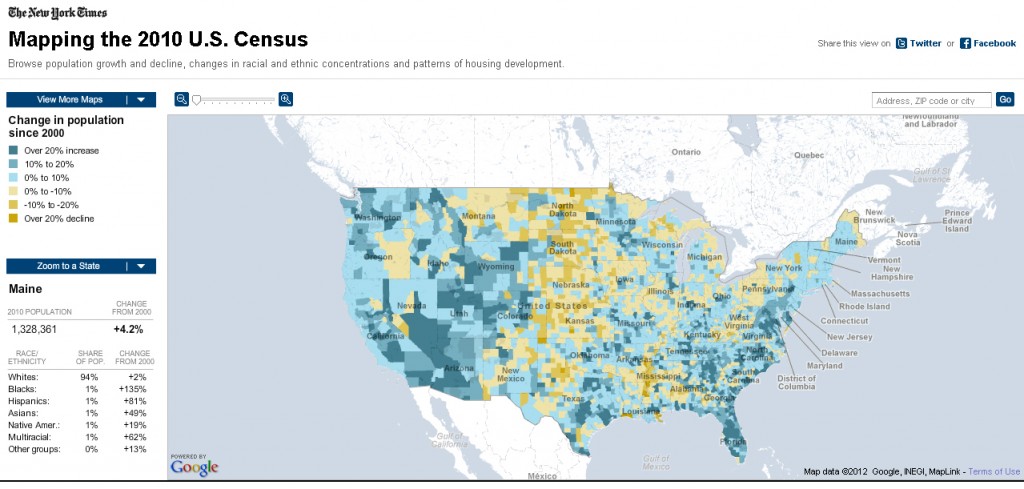
2010census-1024x489According to Richard Seager of Columbia University’s Lamont Doherty Earth Observatory,  in an interview with the Associated Press,  “The bottom line message for the average person and also for the states and federal government is that they’d better start planning for a Southwest region in which the water resources are increasingly stretched.”
Seager and his associates, who prepared their report for the Intergovernmental Panel on Climate Change in 2007 believe that the drought could continue for the next century and beyond.
Other reports reach the same conclusions. At the University of Arizona, climatologists report that “both projections and observations indicate residents of the arid Southwest can count on more extremes in years to come.”
Still Americans keep making the exodus West, in unfathomable numbers. Much of the increase can be attributed to our insatiable love affair with the American West and its stunning scenery. Watching cowboy movies and National Geographic documentaries just doesn’t satisfy us like it once did. Everyone wants a mountain or desert view from the condo these days. No one can question their sincerity but these new immigrants from the east just don’t “get” the West, especially its deserts.
Peter Gleick, the president of the Pacific Institute, has studied water resources around the world. In the arid U.S. Southwest, he notes that recognizing and even conceding the problems of drought, coupled with a booming and consumptive population, has done little to create solutions. He says, “Psychologically and socially, it is hard for millions of people who love this region to admit that it is fundamentally dry and that the rules for building, living, and working there must be different from those in the wet regions where most of these same people were born and raised.”
2010census-ut
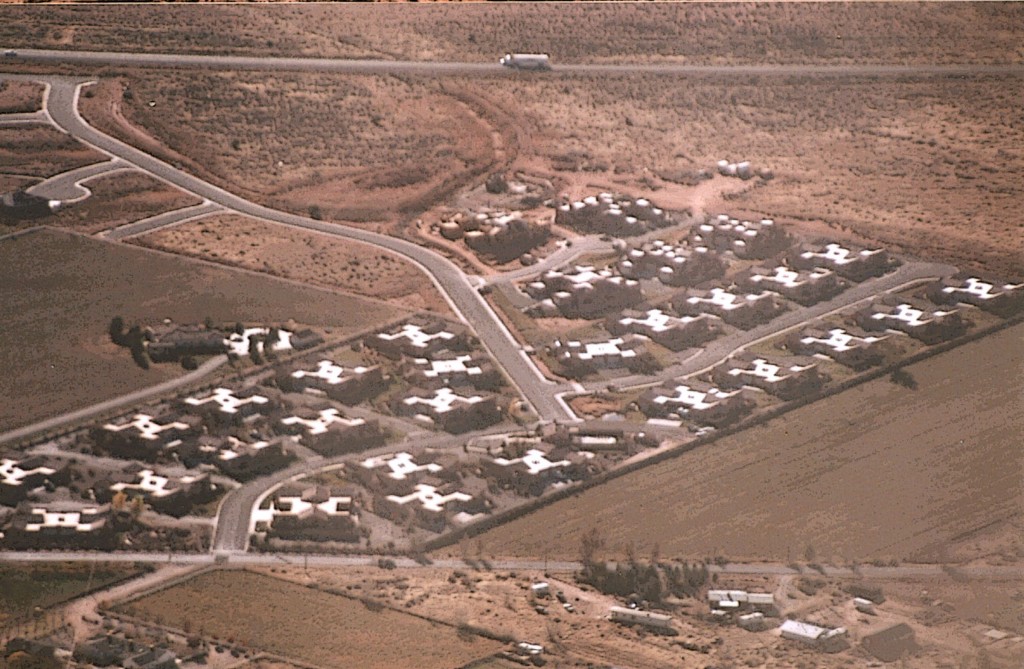
Take Flagstaff, Arizona for example. Thomas Whitham, director of the Merriam-Powell Center for Environmental Research at Northern Arizona University in Flagstaff, warns, “If we continue to draw down water to maintain our lifestyle with its exorbitant use of water, we can effectively turn a hundred-year drought into a millennium-level drought, which far worsens the community and ecosystem consequences.”
Flagstaff’s population has doubled in 20 years to 60,000. Its metropolitan area, Coconino County and adjacent communities had grown to116,640 by 2000, a 44 percent increase from 1980 and is expected to reach 168,827 by 2020–another 52,000 residents, all of them placing an even greater demand on resources that continue to dwindle.
Other projections call for the Flagstaff metropolitan area to reach as many as 189,868 by 2030 and 235,707 by 2050. Flagstaff city could hit 124,840 by 2050.
The story is the same across the West. A Brookings Institution report claims that by 2030, nearly 45 percent of homes in the West will have been built since the Millennium, or almost half the homes across the West in 30 years. Almost half.

I learn a lot about my fellow citizens reading facebook entries, sometimes by people I don’t even know. On some facebook pages that carry a special western theme, the interest from people who live in what Abbey called “The Great Siberian East” is almost obsessive—they are in love with the idea of “being Westerners,” even if the reality fails to fit the dream.
One former Arizonan who wanted to move back to Flagstaff from somewhere on the other side of the Alleghenies made his first trip there in a few decades. He was shocked. “Don’t recognize the damn place anymore…It’s as crowded with traffic as Durango. Scratch two more towns off my list.”
But Flagstaffians came to its defense. “You just need to know where to go,” observed one, “because a lot of places here are still the same. Personally I avoid the east side of town like the plague–it’s like a different  city Our downtown is thriving and vibrant,”
Another commented, “Get the mussel dish at the brewery….very good.”
rimvillage-A
All of these Urban Migrants want to be a part of something that doesn’t exist anymore.  It’s an interesting irony that almost all “New Westerners” rail against the “redneck” mentality that used to govern the rural west before we came along to save it. But at the same time, we long for the West the way it was 40 years ago, when the ‘rednecks’ were running the show.
New Westerners come to live here as permanent tourists. They’ve come to be closer to the beauty they have admired for so long and rail against those who extract natural resources from it. But at the same time, they have no problem consuming those resources. They oppose oil/gas production but heat their new homes and power their hybrid SUVs. They condemn timber extraction but build new 4000 square foot homes in the desert and forests of the West. They oppose new dams and water pipelines but xeriscape their lawns and think they are good conservationists.
And then they condemn the old timers for not being progressive enough.
As the West becomes less of what it was, what really made the difference?
Us, en masse. Millions of us. We came here to save it and subsequently ruined it with our sheer numbers and our desire to bring our urban habits with us. I doubt you could get a mussel shell dish in Flag 40 years ago, but who’d be willing to trade a seafood dish for some real peace and quiet? In today’s rush to be part of a myth, I’m not sure anybody notices.

http://2010.census.gov/2010census/data/
http://www.msnbc.msn.com/id/17967097/ns/us_news-environment/
http://www.onearth.org/article/cadillac-desert-revisited
http://news.nationalgeographic.com/news/2007/04/070405-us-drought_2.html
http://www.usbr.gov/lc/phoenix/reports/ncawss/AppE.pdf
http://www.newwest.net/topic/article/exurbs_weigh_heavily_on_the_west/
Posted in Uncategorized.


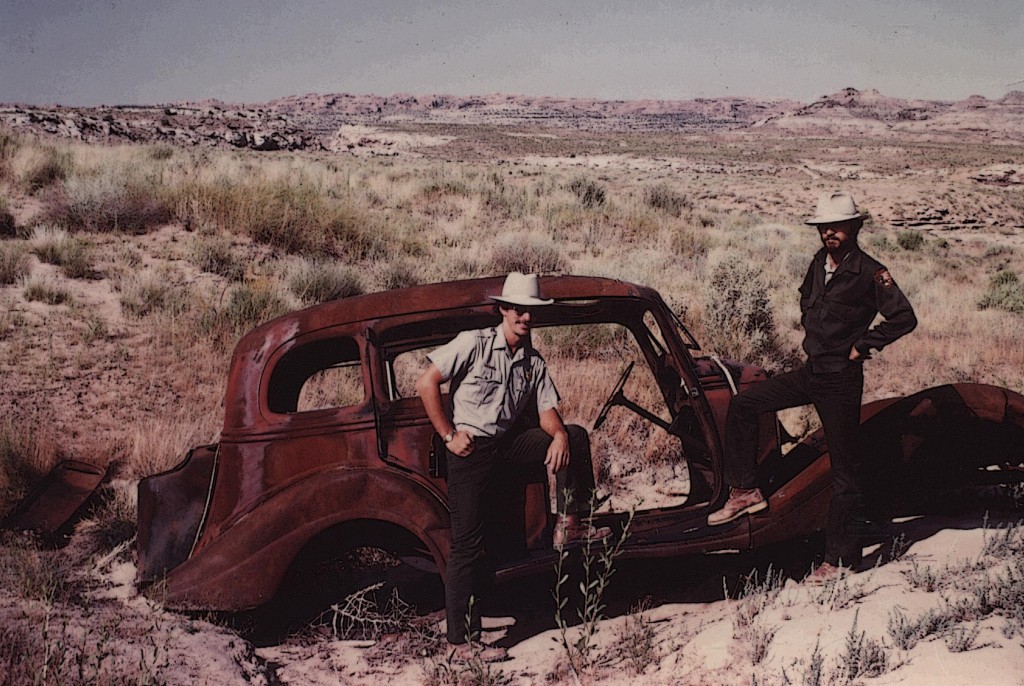
ARCHES FLASHBACKS… ‘Two Macho Rangers in the Yellow Cat’ 1979

Posted in Uncategorized.


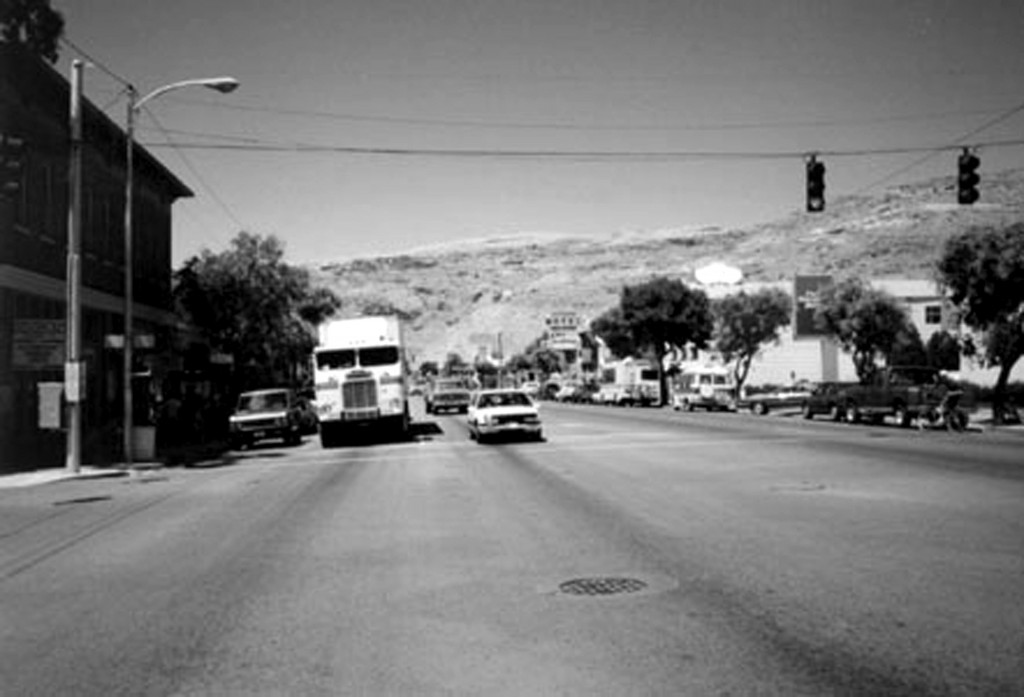
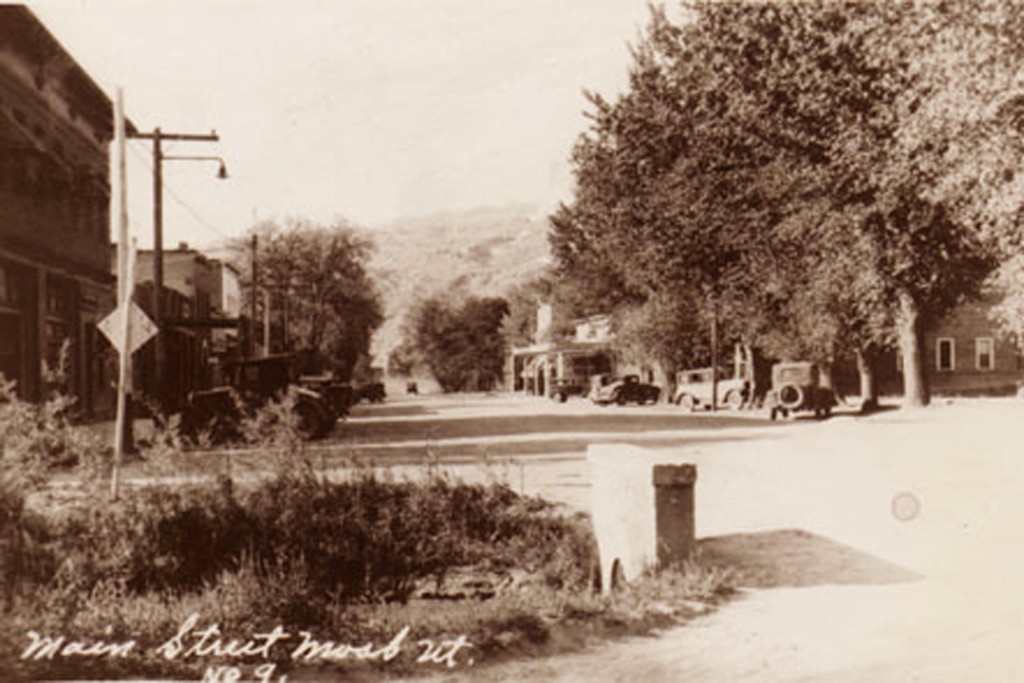
Poking Through the Ruins #3 Moab: 1922 & 2005

The Intersection of Main & Center Streets in Moab. 1922 & 2005

Read the Dec/Jan Zephyr Online:

Posted in Uncategorized.

Tagged with .


(April/May 2013) SOLITUDE LOST…or just DISCARDED? …by Jim Stiles

Excerpt:

When Thomas Jefferson purchased the vast territory of Louisiana from France in 1803 and sent Meriwether Lewis and William Clark to explore it, he had no idea just how vast and seemingly unlimited his new acquisition was.  They left the known world in May 1804 and traveled up the Missouri River to its headwaters, crossed the Rocky Mountains and descended to the Snake and Columbia Rivers. The long and arduous journey eventually brought them to the Pacific Ocean. All this and their expedition was only half over. They would not return to the capital and Jefferson until September 1806.

Throughout those two long years, Jefferson could do little but speculate about the journey. Only after their return did he begin to grasp the magnitude of his Purchase. The President listened enthusiastically to their extraordinary trip narrative. When he had heard it all, Jefferson concluded that the North American continent was much larger and more imposing than he had imagined. He proclaimed that it would take “a thousand years” to settle the country. Perhaps more.

Jefferson was a brilliant man but this prediction missed the mark…

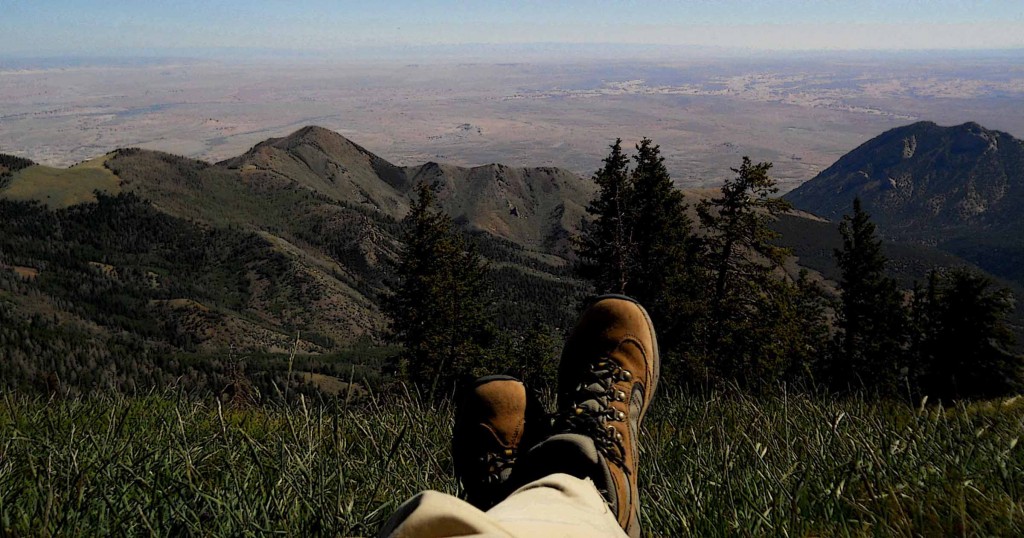
Click the image below to read the rest of Jim’s article:

theView

http://www.canyoncountryzephyr.com/2013/04/01/solitude-lost-or-just-discarded-by-jim-stiles/


Posted in Uncategorized.


In the “WHO KNEW?” Department…PATAGONIA & Its Military Contracts

FROM ‘SOLDIER SYSTEMS’…
“This is very exciting news from Patagonia and Elite Defense. For the past few years Patagonia has been responsible developing and producing USSOCOM’s (United States Special Operations Command ( http://www.socom.mil/default.aspx ) Protective Combat Uniform, a 9 level ensemble of environmental and field clothing items. Every once in awhile pieces have become available on eBay or at surplus outlets but, outside of program, we haven’t been able to purchase these garments. Now, you’ll be able to get not only the Level 9 Combat Uniform but also a Jungle Uniform (seen above) as well in addition to other pieces such as the level 3a jacket just adopted by SOCOM. The Level 9 garment features an innovative kneepad system (below) we have written about in the past and offers both combat and field shirt options.”

TO VIEW THE WEB SITE CLICK THE PIC:

Patagonia-Jungle-Uniform

patagonia-military1

Posted in Uncategorized.


(The Guardian) ‘Let’s stop hiding behind recycling and be honest about consumption’

An excerpt: Every society has topics it does not discuss. These are the issues which challenge its comfortable assumptions. They are the ones that remind us of mortality, which threaten the continuity we anticipate, which expose our various beliefs as irreconcilable.

Among them are the facts which sink the cosy assertion, that (in David Cameron’s words) “there need not be a tension between green and growth”.

At a reception in London recently I met an extremely rich woman, who lives, as most people with similar levels of wealth do, in an almost comically unsustainable fashion: jetting between various homes and resorts in one long turbo-charged holiday. When I told her what I did, she responded: “Oh I agree, the environment is so important. I’m crazy about recycling.” But the real problem, she explained, was “people breeding too much”…

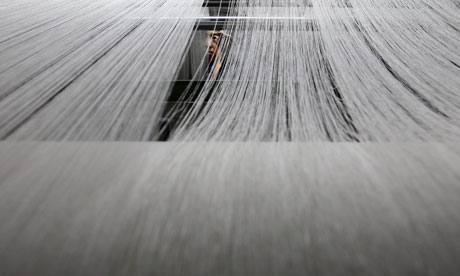
Click the image to read more:

Consumption and emissions  : a textile manufacturing factory in Beijing , China

http://www.guardian.co.uk/environment/georgemonbiot/2013/apr/12/escalating-consumption


Posted in Uncategorized.


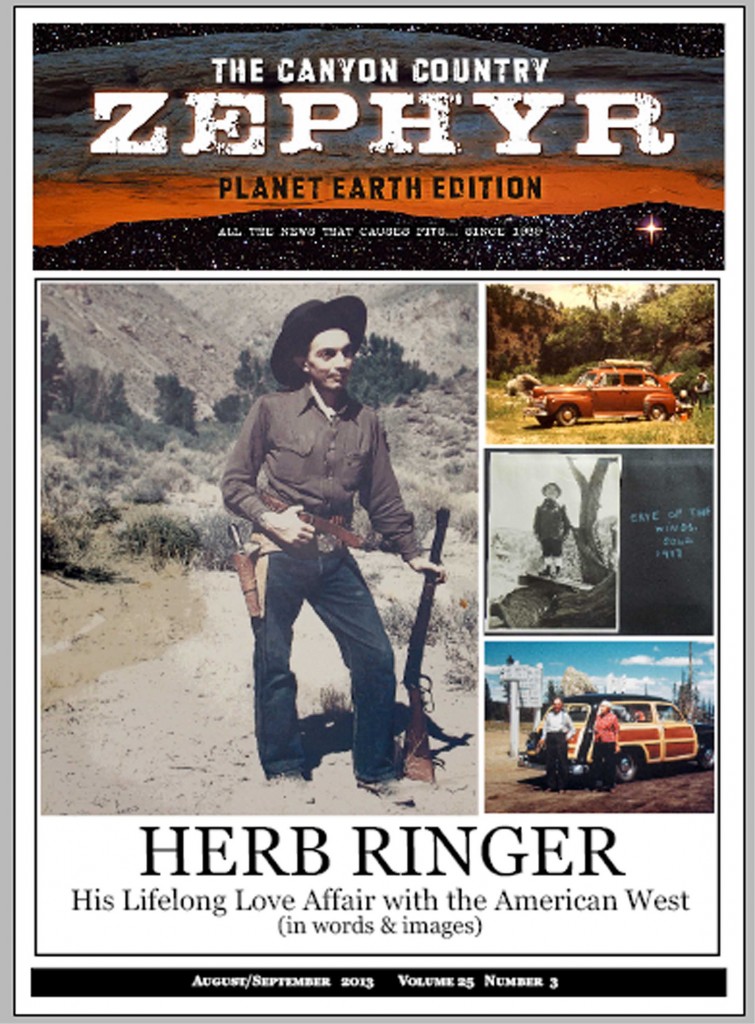
The August/September issue of the Zephyr is online!

COVER-AU13

TAKE IT OR LEAVE IT…Jim Stiles
“Our Friends Were Dearer Then”—Herb Ringer 1913-1998
An Introduction to this Special Issue of The Zephyr
also…“Stiles Road Rules #43, Confessions and Complaints of a Lifelong Jaywalker”

SOWING CLOVER…Tonya Stiles
“The Forgotten Conservative Case for Environmentalism”

“I CAN STILL SEE EVERYTHING.” Herb Ringer’s Remarkable Life
Jim Stiles

HERB’S FIRST TRIP WEST..SUMMER 1917

(words & images)

“FIRST TIME…”
Herb Ringer’s father, JOSEPH RINGER, offers this
fascinating ‘List of Firsts’ in his son’s life.

“Notes on Reno and Vicinity”
Autumn 1939…Herb Ringer

The Journal of
JOSEPH RINGER  1944-1963

from Herb Ringer’s Journals
DECEMBER 7, 1941

Wandering through ghost towns, away from the ‘real world. Herb’s “Day of Infamy” was very peaceful.

Herb Remembers…
SHORTY YARBERRY of the GRAND CANYON

A LETTER from HERB about…
RHYOLITE GHOST TOWN, EATING ANTS & COURTEOUS HOOKERS.

A CLOSE ENCOUNTER in a GHOST TOWN
Herb in Ludwig, Nevada…1942

HOPE VALLEY
A Place of Refuge & Solitude for the Ringers…

THE GOAT MAN of MOAB
Photograph by HERB RINGER  Story by JEAN EARDLEY (from a 1990 Zephyr article)

RENEWABLE ENERGY: Shredding the Magic of Nevada’s Great Basin
Scott Thompson

from ‘THE NEW IMMIGRANTS’ by ANNE SNOWDEN CROSMAN
ANTONIO ZAPIEN

Vlachos’ Views
Paul Vlachos is a New Yorker who understands The West. He also understands New York. His work celebrates the differences and the similarities.

BONUS STORIES FOR THE WORDPRESS VERSION:

“Oh…It’s from King Tut’s Tomb.” 

Herb Remembers a special gift all the way from Ancient Egypt

HERB REMEMBERS CAMERON, ARIZONA…1952

THE COLORADO RIVER ELEVATED BIKEWAY…
A photo update as construction continues on the $10 million project

PHOTOS FROM HERB: The Joys of Car Camping

PHOTOS FROM HERB: Cities and Towns of the West…including SALT LAKE CITY, RENO, and ASPEN!


Posted in Uncategorized.


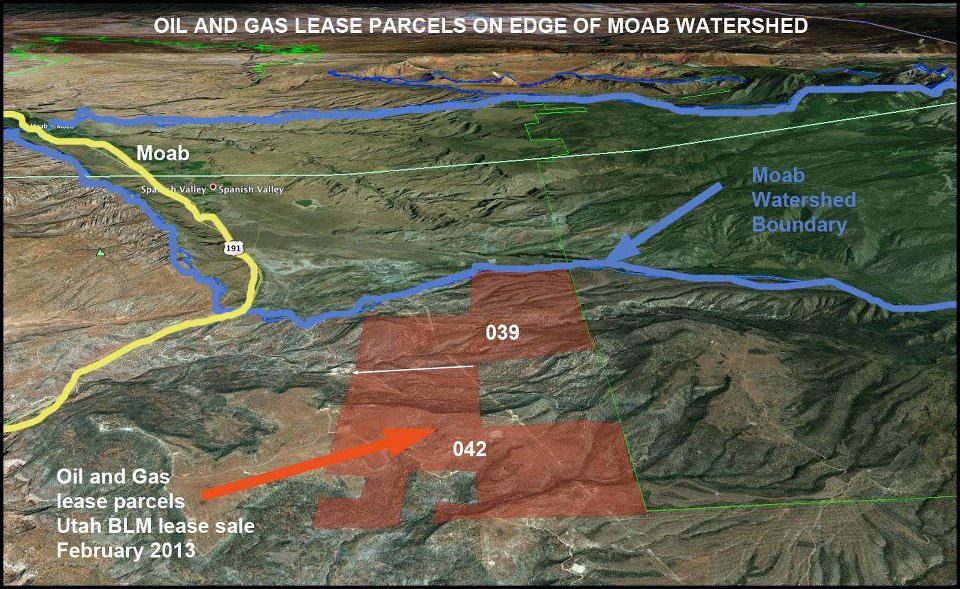
(APRIL/MARCH ISSUE) Take it or Leave it: Is Anywhere ‘Good’ to Frack? -Jim Stiles

An Excerpt: So where? Where do we get the oil to keep Moab and the rest of the country rolling? Clearly, nobody wants to live with less. It’s not an idea that’s even remotely considered by politicians or their constituents or even mainstream environmentalists. Long term threats like climate change fall away when it means making a sacrifice or living with less.

CLICK THE IMAGE BELOW TO READ JIM’S STORY:

frackingmap


Take it or Leave it: Is Anywhere ‘Good’ to FRACK?

Posted in Uncategorized.


(Climate Connections) Power shift away from green illusions

An excerpt:  Every day, the news about climate change and the harms that are sure to accompany it gets worse and worse. To many environmentalists, the answer is simple: power shift. That is, shift from fossil fuels to clean, green, renewable, alternative energy. Well-meaning concerned citizens and activists have jumped on the bandwagon.

The problem with this simple solution: Things aren’t as simple as they seem, and “there’s actually no such thing as a free lunch” when it comes to energy consumption and production. Further, what we’re often sold as “green” and “clean” is actually neither…

Click the image to read more:

2013_0408w_

http://climate-connections.org/2013/04/08/power-shift-away-from-green-illusions/


Posted in Uncategorized.


(April/May 2013) Global Warming: Maybe Denial is Working for Betty and Lou, but it Isn’t for Their Teenagers…by Scott Thompson

Excerpt: Kevin Anderson, a climate scientist at the University of Manchester in the U.K., is one of those humans who somehow never learned to be a proper, timid professional, and is therefore honest to a fault. One of our species’ success stories: may his genes pass on. So it wasn’t surprising that in a lecture in November, 2012, he said, “…the scientific community repeatedly underplays the story. That’s what I’m trying to show here. Very unpopular with some of my colleagues…

“So across the board everyone’s saying we can’t be honest about two degrees C [of warming above pre-industrial]. I was at an event recently, a Chatham House event so I can’t tell you who was there, but a very senior government scientist and someone very senior from an oil company…these very senior people said, ‘Well, I think we’re on for 4 to 6 degrees C, but we just can’t be open about it.’ But that is going on all the time behind the scenes, that somehow we can’t tell the public.”

Shout it, brother: not only is the public not being told that at least a 4 degree C world is hurtling toward us like a Texas-sized asteroid, it also isn’t being told what that world will be like once it hits…

Click the image below to read the rest of Scott’s story:

carljung

http://www.canyoncountryzephyr.com/2013/04/01/global-warming-maybe-denial-is-working-for-betty-and-lou-but-it-isnt-for-their-teenagers-by-scott-thompson/


Posted in Uncategorized.